
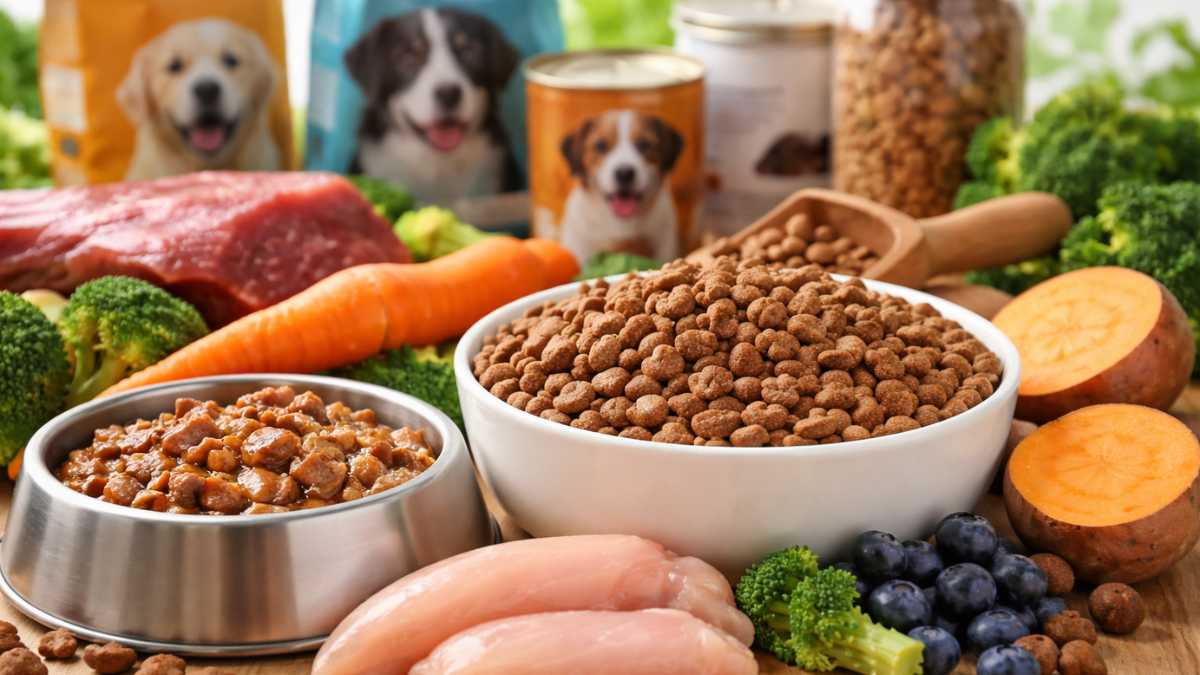
As dogs age, their nutritional needs shift significantly. Senior canines often experience changes in metabolism, activity levels, dental health, and organ function, necessitating a diet tailored to their unique requirements. Choosing the right food is paramount to ensuring their comfort, health, and longevity. Among the many options available, wet dog food for senior dogs stands out as an excellent choice for many reasons, offering enhanced palatability, superior hydration, and easier digestion compared to dry kibble. This guide will delve into the critical aspects of selecting and providing the best wet food for your aging companion, ensuring they receive the specialized care they deserve during their golden years.
The Benefits of Wet Dog Food for Senior Dogs
Transitioning to or maintaining a diet that includes wet dog food for senior dogs can offer numerous advantages that directly address common age-related challenges. Understanding these benefits helps pet owners make informed decisions for their beloved companions.
- Enhanced Hydration: Senior dogs may drink less water or suffer from kidney issues, making dehydration a concern. Wet food boasts a high moisture content, often over 70%, significantly contributing to their daily fluid intake. This supports kidney function and overall organ health.
- Improved Palatability and Appetite Stimulation: An older dog’s sense of smell and taste can diminish, and dental problems like missing teeth or gum disease can make chewing dry kibble painful. The soft texture and strong aroma of wet food make it far more appealing and easier to consume, encouraging consistent eating even in finicky seniors.
- Easier Digestion: Formulations for senior dogs often include highly digestible proteins and fewer complex carbohydrates. Wet food, by its nature, is generally easier on the digestive system, which can be sensitive in older dogs, reducing the likelihood of gastrointestinal upset.
- Weight Management: While some senior dogs lose weight, others gain it due to decreased activity. Many senior wet dog food formulas are specifically designed to be calorie-controlled yet nutrient-dense, helping manage weight without sacrificing essential vitamins and minerals.
- Targeted Nutritional Support: Quality wet dog food for senior dogs includes ingredients that address specific age-related concerns, such as joint health, cognitive function, and immune system support.
Understanding Wet Dog Food for Senior Dogs Ingredients
The quality and type of wet dog food for senior dogs ingredients are crucial for supporting their health. Savvy pet owners scrutinize labels to ensure their senior dogs receive optimal nutrition.
- High-Quality Protein: Lean animal proteins like chicken, turkey, beef, and fish are essential for maintaining muscle mass, which naturally declines with age. Look for whole meat sources as the first ingredient. Protein helps support tissue repair and overall vitality.
- Essential Fatty Acids: Omega-3 fatty acids, particularly EPA and DHA from fish oil, are vital. They support cognitive function, reduce inflammation for joint health, and promote a healthy skin and coat. Antioxidants such as vitamins E and C also play a role in reducing oxidative stress.
- Joint Support Supplements: Glucosamine and chondroitin are often included to help maintain cartilage health and alleviate the symptoms of arthritis, a common ailment in older dogs. These ingredients contribute significantly to their mobility and comfort.
- Digestible Carbohydrates and Fiber: Easily digestible carbohydrates like sweet potatoes or peas provide energy. Adequate fiber sources, such as pumpkin or beet pulp, aid in healthy digestion and promote regular bowel movements, preventing constipation often seen in senior dogs.
- Vitamins and Minerals: A balanced blend of vitamins and chelated minerals ensures the immune system functions optimally and supports overall health. Calcium and phosphorus ratios are particularly important for bone health.
Ingredients to Avoid
Conversely, certain ingredients offer little nutritional value and can even be detrimental to a senior dog’s health. Avoid fillers like corn, wheat, and soy, artificial colors, flavors, and preservatives. Excessive salt and sugars are also unnecessary and potentially harmful.
Choosing the Best Wet Dog Food for Senior Dogs: What to Consider
Selecting the ideal wet dog food for senior dogs review requires more than just checking ingredients; it involves understanding your specific dog’s needs and consulting with a veterinarian.
- Individual Health Conditions: Dogs with specific health issues, such as kidney disease, diabetes, or allergies, require specialized formulas. Your veterinarian is the best resource for guiding these choices.
- Breed and Size: While not as critical as for puppies, a very large breed senior dog might benefit from slightly different nutrient ratios than a small breed senior dog, particularly regarding joint support.
- Veterinary Consultation: Always consult your vet before making significant dietary changes. They can assess your dog’s current health, recommend specific brands or formulations, and advise on appropriate feeding amounts.
- Brand Reputation and Reviews: Researching reputable brands known for quality control and ingredient sourcing is important. While not a definitive endorsement, general positive wet dog food for senior dogs review trends can offer insights into product effectiveness and palatability among other dogs. Look for transparency in ingredient sourcing and manufacturing processes.
Understanding the Wet Dog Food for Senior Dogs Price
The wet dog food for senior dogs price can vary significantly, reflecting differences in ingredient quality, brand reputation, and formulation. While it is tempting to opt for the most budget-friendly option, investing in high-quality food for your senior dog is often a wise decision for their long-term health and your vet bills.
- Quality of Ingredients: Premium wet dog foods use human-grade ingredients, whole meat sources, and often include beneficial supplements like omega fatty acids, glucosamine, and chondroitin. These higher-quality components naturally increase the product’s cost.
- Brand and Formulation: Specialized veterinary diets for specific health conditions, such as kidney or digestive support, typically carry a higher price tag due to their precise formulation and rigorous testing. Well-known, reputable brands also often price their products higher, reflecting their investment in research and quality control.
- Packaging and Convenience: Wet food can come in various formats, including cans, pouches, and tubs. Single-serving pouches might be more expensive per ounce but offer convenience and portion control, potentially reducing waste.
- Long-term Value: Consider the long-term benefits. A high-quality diet can help prevent or manage age-related health issues, potentially reducing veterinary costs down the line. Investing in proper nutrition for your senior dog is an investment in their health and happiness.
Budgeting for Senior Dog Food
While price is a factor, focus on the best food you can realistically afford. Sometimes, buying in bulk or subscribing to delivery services can offer cost savings. Always prioritize nutrient density over cheap fillers.
Wet Dog Food for Senior Dogs Feeding Guide
Proper portion control and feeding schedules are just as important as the quality of the food. A tailored wet dog food for senior dogs feeding guide ensures your dog receives adequate nutrition without over or under-eating.
- Follow Manufacturer Guidelines: Always start by consulting the feeding chart on the product packaging. These guides provide a starting point based on your dog’s weight, age, and activity level. Remember, these are general recommendations.
- Adjust for Activity and Metabolism: Senior dogs often have reduced activity levels and a slower metabolism. Monitor your dog’s weight and body condition regularly. If they are gaining weight, slightly reduce portions; if losing, increase them. Your vet can help assess their ideal body condition score.
- Feeding Frequency: Many senior dogs benefit from two to three smaller meals per day rather than one large meal. This can aid digestion and prevent an overburdening of the digestive system.
- Transitioning Food: When switching to a new wet food, do so gradually over 7-10 days. Mix a small amount of the new food with their old food, gradually increasing the new food while decreasing the old. This prevents digestive upset.
- Storage and Freshness: Once opened, wet dog food should be refrigerated and typically consumed within 2-3 days. Always provide fresh water alongside meals.
Monitoring Your Dog’s Response
Observe your dog for signs of digestive upset, changes in energy levels, coat condition, or stool quality after switching foods. These indicators can help you fine-tune their diet or signal the need for a different formula or a veterinary visit.
Frequently Asked Questions
How do I know if my dog is considered a senior?
Generally, dogs are considered senior around 7 years of age, though this varies by breed size. Larger breeds often age faster than smaller breeds. Your vet can provide a precise assessment based on your dog’s health and breed.
Can wet food help with my senior dog’s constipation?
Yes, the high moisture content in wet dog food can help soften stools and promote regularity. Many senior wet food formulas also include beneficial fibers that further aid digestion and prevent constipation.
Is it okay to mix wet and dry food for senior dogs?
Yes, many owners successfully combine wet and dry food. This can offer the benefits of both: the dental scraping action of dry kibble and the hydration and palatability of wet food. Ensure the total calorie intake meets your dog’s needs.
What if my senior dog refuses to eat their new wet food?
Senior dogs can be particular. Try warming the food slightly to enhance its aroma, or mix a small amount of a favorite treat. If refusal persists, consult your vet to rule out any underlying health issues causing appetite loss.
How often should I take my senior dog to the vet for check-ups?
Senior dogs should have semi-annual (every six months) veterinary check-ups. Regular exams help detect age-related health issues early, allowing for timely intervention and better management of chronic conditions.
Conclusion
Providing the right nutrition is one of the most significant ways to support your senior dog’s health and happiness during their later years. Wet dog food for senior dogs offers a compelling solution, addressing critical needs such as hydration, palatability, and digestibility, while delivering essential nutrients for age-related concerns. By carefully considering ingredients, consulting with your veterinarian, and adhering to appropriate feeding guidelines, you empower your cherished companion to thrive. Making informed choices about their diet allows you to help them enjoy a comfortable, energetic, and fulfilling senior life, strengthening the bond you share with every nourishing meal.