
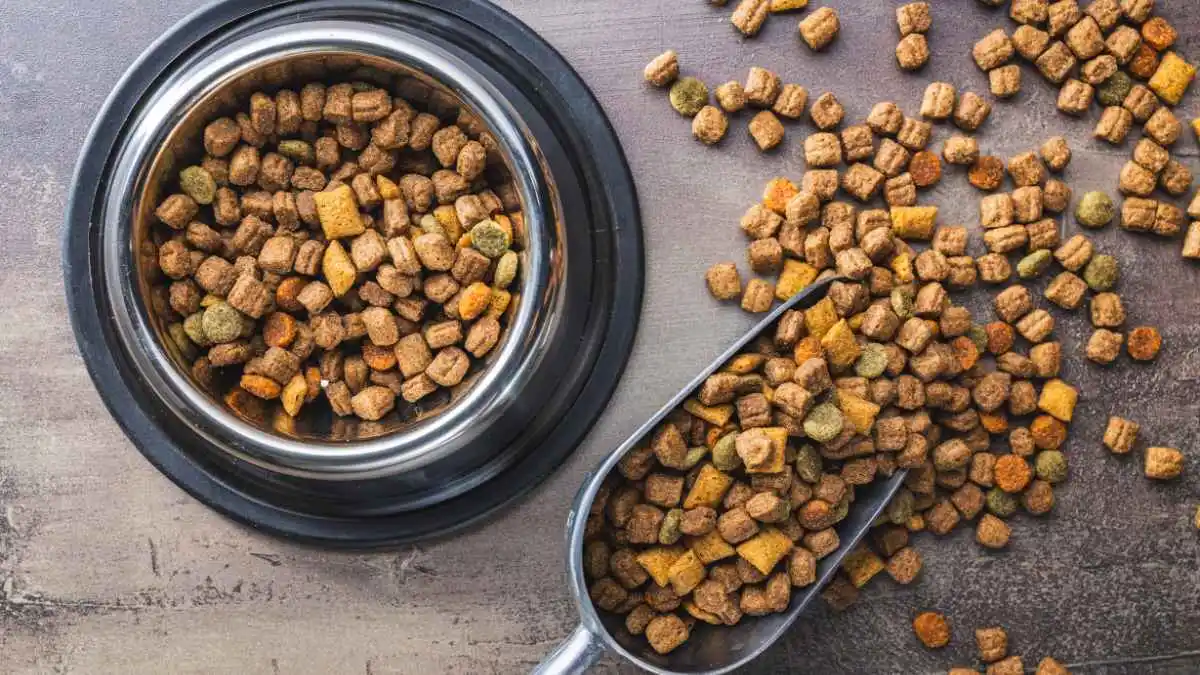
As devoted dog owners, we constantly seek the best nutrition to ensure our furry friends lead long, vibrant lives. The world of dog food offers countless choices, but one growing trend stands out for its potential benefits: raw feeding. Among the leading brands in this specialized niche, Northwest Naturals raw dog food has garnered significant attention. This comprehensive guide delves into everything you need to know about incorporating this high-quality, biologically appropriate diet into your dog’s routine, exploring its benefits, ingredients, and how to make the transition smoothly. Give your dog the nutrition they deserve.
Understanding the Philosophy of Raw Dog Food Benefits
The concept of feeding dogs a raw diet stems from their ancestral eating habits. Before domestication, canines thrived on a diet of uncooked meat, bones, and organs, mimicking what they would hunt in the wild. This “biologically appropriate” approach aims to provide nutrition in its most natural, unprocessed form. Advocates for raw feeding highlight a range of potential improvements in canine health and vitality.
- Enhanced Digestion: Raw diets, rich in natural enzymes, can be easier for dogs to digest compared to highly processed kibble. This often results in smaller, firmer stools and reduced digestive upset.
- Improved Skin and Coat Health: Many owners report a shinier coat, reduced shedding, and healthier skin after switching to raw food, attributed to the higher quality fats and proteins.
- Increased Energy and Vitality: Dogs on a raw diet often display higher energy levels and improved overall vitality, benefiting from nutrient-dense, easily absorbable ingredients.
- Better Weight Management: Raw foods are typically lower in carbohydrates and fillers, making it easier to maintain a healthy weight and muscle mass.
- Cleaner Teeth and Fresher Breath: Chewing on raw meaty bones, often a component of a comprehensive raw diet, can help scrape away plaque and tartar, promoting better oral hygiene.
These benefits collectively paint a compelling picture for owners considering a raw diet. However, understanding how to implement it safely and effectively is crucial. This is where brands like Northwest Naturals step in, offering balanced and convenient options for raw feeding.
Diving Deep into Northwest Naturals Raw Dog Food Review
Northwest Naturals has established itself as a reputable name in the raw pet food industry, known for its commitment to quality and transparency. Their approach focuses on providing complete and balanced meals designed to meet the nutritional needs of dogs at all life stages. A thorough nw naturals raw dog food review reveals a brand dedicated to using high-quality, responsibly sourced ingredients.
Northwest Naturals Frozen Raw Dog Food Varieties
One of the hallmarks of Northwest Naturals is their extensive line of Northwest Naturals frozen raw dog food. These come in various forms and protein sources, offering flexibility and choice for discerning pet owners:
- Frozen Nuggests and Patties: These are convenient, pre-portioned options that simplify meal preparation. Simply thaw and serve. They come in protein varieties such as chicken, beef, turkey, lamb, and more, often blended with fruits, vegetables, and essential supplements.
- Freeze-Dried Diets: While not the primary focus of their frozen line, Northwest Naturals also offers freeze-dried options for convenience, especially for travel or as training treats. These are also great for supplementing the frozen diet.
- Single-Ingredient Treats: Beyond complete meals, they offer a range of raw, single-ingredient treats, perfect for rewarding or supplementing a raw diet.
The variety ensures that dogs with specific dietary needs, allergies, or preferences can find a suitable option. The frozen format helps preserve the nutritional integrity of the raw ingredients, delivering a fresh, unprocessed meal to your dog.
Raw Dog Food Ingredients and Sourcing
A key differentiator for Northwest Naturals is their meticulous selection of raw dog food ingredients. They emphasize using human-grade ingredients, sourced primarily from the USA, with a strong focus on sustainability and ethical practices. Typical ingredients you’ll find in their formulations include:
- Muscle Meats: High-quality, lean muscle meats like chicken, beef, turkey, and lamb form the foundation, providing essential proteins for muscle development and energy.
- Organ Meats: Nutrient-dense organs such as liver, heart, and kidney are included to supply crucial vitamins, minerals, and amino acids often missing in muscle meat alone.
- Ground Bone: Finely ground bone provides essential calcium and phosphorus in their natural ratios, vital for strong bones and teeth.
- Fresh Fruits and Vegetables: A blend of non-GMO fruits and vegetables like carrots, spinach, cranberries, and apples offers antioxidants, fiber, and additional vitamins.
- Supplements: Essential fatty acids (omega-3s from fish oil), vitamins (like Vitamin E), and minerals are often added to ensure a complete and balanced nutritional profile.
Northwest Naturals prides itself on a “minimal processing” philosophy. Ingredients are gently mixed and flash-frozen to retain maximum nutritional value, avoiding high-heat cooking that can degrade delicate enzymes and nutrients. This commitment to quality ingredients and minimal processing reinforces their standing as a top choice for raw feeders.
A Practical Raw Feeding Guide with Northwest Naturals
Transitioning your dog to a raw diet, especially with a brand like Northwest Naturals, requires careful planning to ensure their health and safety. This raw feeding guide offers practical steps for a smooth transition and ongoing feeding.
Transitioning Your Dog to Raw
Introducing a new diet, especially raw, should be done gradually to avoid digestive upset. Here’s a common approach:
- Cold Turkey Method (for some): Some dogs, particularly younger or those with robust digestive systems, can switch immediately. However, monitor them closely.
- Gradual Transition: For most dogs, a slower transition is best. Start by replacing a small portion (e.g., 10-20%) of their current food with Northwest Naturals raw food for a few days. Gradually increase the raw food portion while decreasing the old food over 7-10 days, or even longer for sensitive dogs.
- Separate Meals: If transitioning from kibble, consider feeding raw and kibble at separate meal times, as they digest at different rates. For example, morning raw, evening kibble, before fully transitioning.
- Observe and Adjust: Pay close attention to your dog’s stool, energy levels, and overall demeanor. Loose stools often indicate too fast a transition; slow down the process if this occurs.
Safe Handling and Storage of Frozen Raw Dog Food
Handling raw meat requires diligence to prevent bacterial contamination. Follow these guidelines:
- Thawing: Thaw Northwest Naturals frozen raw dog food in the refrigerator. Never thaw at room temperature. Plan meals ahead by moving frozen portions to the fridge the night before.
- Storage: Keep raw food frozen until ready to thaw. Once thawed, store in the refrigerator for no more than 2-3 days. Discard any uneaten raw food after 20-30 minutes to prevent bacterial growth.
- Hygiene: Always wash your hands thoroughly with soap and water before and after handling raw food. Clean and sanitize all surfaces, bowls, and utensils that come into contact with raw food. Use separate cutting boards and utensils for raw pet food if preparing other meals in the kitchen.
- Portioning: Refer to the feeding guidelines on Northwest Naturals packaging, which are usually based on your dog’s weight, activity level, and age. Adjust as needed to maintain ideal body condition.
Addressing Common Concerns about Raw Feeding
While the benefits are significant, new raw feeders often have legitimate concerns. Addressing these provides clarity and confidence in choosing Northwest Naturals raw dog food.
Is Raw Feeding Balanced?
A common concern is whether a raw diet provides complete nutrition. Reputable brands like Northwest Naturals formulate their products to be complete and balanced according to AAFCO (Association of American Feed Control Officials) guidelines. They include muscle meat, organ meat, bone, and a precise blend of fruits, vegetables, and supplements to ensure all essential nutrients are present in the correct ratios. Home-prepared raw diets can be unbalanced without expert guidance, but commercial raw foods like Northwest Naturals simplify this considerably.
What About Bacteria and Pathogens?
The presence of bacteria like Salmonella in raw meat is a frequent worry. While raw meat can contain bacteria, healthy dogs are naturally equipped to handle them. Their highly acidic stomachs and short digestive tracts are designed to process raw food and its associated bacteria effectively. The primary risk lies with human handlers, which is why strict hygiene protocols are paramount. Northwest Naturals also implements safety measures in their production, including testing batches for pathogens, though no raw product can guarantee 100% absence of bacteria.
Cost of Raw Dog Food
Raw feeding, especially with premium brands, can be more expensive than feeding conventional kibble. However, many owners view it as an investment in their dog’s long-term health, potentially reducing vet bills related to diet-induced issues. The cost of Northwest Naturals raw dog food varies by product and region, but consider it an investment in superior nutrition.
Frequently Asked Questions
Q1: Can puppies eat Northwest Naturals raw dog food?
Yes, Northwest Naturals offers formulations suitable for all life stages, including puppies. Ensure you choose a formula designed for growth and follow feeding guidelines carefully to support proper development.
Q2: How much Northwest Naturals raw food should I feed my dog?
Feeding amounts vary based on your dog’s weight, age, activity level, and metabolism. Northwest Naturals provides detailed feeding guidelines on their packaging and website, usually recommending a percentage of your dog’s ideal body weight per day (e.g., 2-3% for adults). Always start with their recommendations and adjust as needed to maintain ideal body condition.
Q3: Do I need to add supplements to Northwest Naturals raw dog food?
Northwest Naturals raw dog food is formulated to be complete and balanced, meaning additional supplements are generally not necessary unless recommended by your veterinarian for specific health conditions. Always consult your vet before adding supplements.
Q4: Can I mix raw food with kibble?
While some owners do this, it’s generally not recommended to mix raw food and kibble in the same meal. They digest at different rates, which can potentially lead to digestive upset. If you wish to feed both, consider feeding kibble and raw food at separate times of the day (e.g., kibble in the morning, raw in the evening) or transition fully to raw.
Q5: What if my dog doesn’t like raw food?
Some dogs can be finicky. Try different protein varieties from Northwest Naturals, as your dog might prefer chicken over beef, or vice-versa. You can also try lightly searing the raw food initially to make it more appealing, then gradually reduce the cooking time until it’s fully raw. Patience is key.
Conclusion
Choosing the right diet for your dog is a significant decision that directly impacts their health and happiness. Northwest Naturals raw dog food provides a compelling option for owners seeking a biologically appropriate, high-quality, and minimally processed diet. With its diverse range of frozen raw dog food varieties, commitment to premium raw dog food ingredients, and a clear understanding of raw dog food benefits, the brand stands out in the raw pet food market. By following proper feeding and handling guidelines, you can confidently provide your canine companion with the natural nutrition they instinctively crave, contributing to a vibrant, healthy, and happy life.