
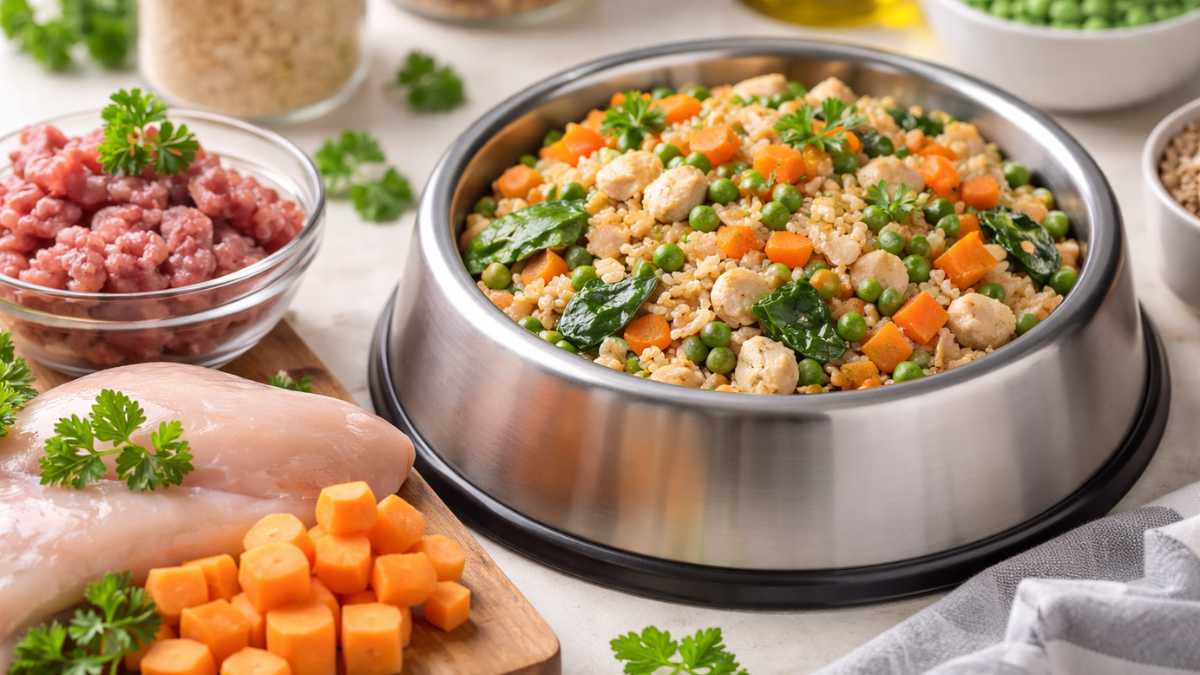
Every dog owner shares a common goal: providing the best possible life for their furry friend. This often includes scrutinizing what goes into their food bowl. In recent years, a growing number of pet parents are turning to a homemade dog food recipe as a way to ensure their canine companions receive optimal nutrition. Creating your dog’s meals at home offers unparalleled control over ingredients, allowing you to tailor their diet to specific health needs, avoid allergens, and incorporate fresh, wholesome components. This comprehensive guide will walk you through everything you need to know to confidently prepare nutritious and delicious meals that will have your dog’s tail wagging with delight. Prepare to transform your dog’s diet and potentially improve their vitality, coat health, and overall well-being with a balanced homemade approach.
The Appeal of a Homemade Dog Food Recipe: A Pet Parent’s Review
Many pet owners review commercial dog foods with a critical eye, often finding long lists of ambiguous ingredients, fillers, and preservatives. Opting for a homemade dog food recipe directly addresses these concerns. You gain complete transparency, knowing exactly what your dog consumes. This control is invaluable for dogs with sensitivities, allergies, or chronic health issues, as you can meticulously select ingredients that support their specific dietary requirements. Furthermore, anecdotal evidence from countless pet parents suggests significant improvements in their dogs’ energy levels, digestion, and coat condition after transitioning to homemade diets. It’s an investment of time, certainly, but one that many feel pays dividends in their dog’s long-term health and happiness.
Understanding the “Why” Behind Homemade
- Ingredient Control: Select fresh, human-grade ingredients, free from artificial additives, by-products, and excessive sodium.
- Addressing Allergies: Easily eliminate common allergens like certain grains, proteins, or dairy that might cause issues.
- Nutritional Tailoring: Customize meals to suit your dog’s age, activity level, and any specific health conditions, such as kidney disease or diabetes, in consultation with a vet.
- Improved Digestion: Many dogs experience better digestion and smaller, firmer stools on a fresh, whole-food diet.
- Enhanced Palatability: Homemade meals often prove more appetizing, especially for picky eaters or dogs with reduced appetites.
Essential Homemade Dog Food Recipe Ingredients for a Balanced Diet
Crafting a balanced homemade dog food recipe requires more than simply mixing human food. Dogs have distinct nutritional needs that must be met to prevent deficiencies. A complete and balanced homemade diet typically includes a source of protein, carbohydrates, healthy fats, vitamins, and minerals. Consulting with a veterinary nutritionist is highly recommended when formulating a long-term homemade diet to ensure it meets all AAFCO (Association of American Feed Control Officials) guidelines.
Core Components of a Nutritious Canine Meal
To create a well-rounded homemade dog food recipe, focus on these categories:
- Protein Sources: These are crucial for muscle development and overall health.
- Lean ground beef, chicken, turkey, lamb (cooked, no bones or excess fat).
- Fish like salmon or sardines (cooked, boneless, packed in water for sardines) provide omega-3 fatty acids.
- Eggs (cooked) are a fantastic, complete protein.
- Complex Carbohydrates: Provide energy and fiber.
- Brown rice, quinoa, oats (cooked thoroughly).
- Sweet potatoes, pumpkin, butternut squash (cooked and mashed).
- Green beans, carrots, peas (steamed or cooked lightly).
- Healthy Fats: Essential for energy, skin, and coat health, and vitamin absorption.
- Fish oil (e.g., salmon oil) or flaxseed oil (added after cooking).
- Small amounts of healthy animal fats from the protein source.
- Vitamins and Minerals: Found in various ingredients, but often require supplementation for a complete diet.
- Liver (cooked in small amounts) provides vital nutrients like Vitamin A and iron.
- Various fruits (apples without seeds, blueberries, bananas) and vegetables (spinach, kale in moderation).
- A veterinarian-approved canine multivitamin or a commercial supplement specifically designed for homemade dog food.
Always ensure all ingredients are safe for dogs. Avoid toxic foods like onions, garlic, grapes, raisins, chocolate, and xylitol.
Sample Homemade Dog Food Recipe: A Basic Foundation
Here’s a foundational homemade dog food recipe to get you started. Remember, this is a starting point, and tailoring to your dog’s specific needs with vet guidance is key.
Ingredients:
- 2 lbs lean ground turkey or chicken
- 1.5 cups cooked brown rice
- 1 cup chopped carrots
- 1 cup chopped green beans
- 1/2 cup canned pumpkin (plain, not pie filling)
- 2 tbsp olive oil or flaxseed oil (added after cooking)
- 1/4 cup chopped fresh parsley (optional, for fresh breath and nutrients)
- Veterinarian-recommended multivitamin supplement for homemade diets
Instructions:
- In a large pot, brown the ground turkey or chicken over medium heat, breaking it up as it cooks. Drain any excess fat.
- Add the cooked brown rice, chopped carrots, green beans, and plain canned pumpkin to the pot. Stir well to combine.
- Cook for an additional 10-15 minutes, or until the vegetables are tender.
- Remove from heat and allow the mixture to cool completely.
- Once cool, stir in the olive oil (or flaxseed oil), chopped parsley, and the recommended amount of your canine multivitamin supplement.
- Portion the food into daily servings and store leftovers in airtight containers in the refrigerator for up to 3-4 days, or freeze for longer storage (up to 2-3 months).
The Tangible Benefits of a Homemade Dog Food Recipe
Transitioning to a homemade dog food recipe can bring about a myriad of health benefits for your cherished pet. Beyond simply knowing what’s in their bowl, owners frequently report noticeable improvements in various aspects of their dog’s health and vitality. These benefits contribute significantly to a dog’s quality of life and can even help manage existing health conditions.
Key Advantages You Might Observe
- Improved Coat and Skin Health: The inclusion of fresh ingredients and healthy fats, particularly omega-3s, often leads to a shinier coat, reduced shedding, and healthier skin, lessening issues like dryness or irritation.
- Enhanced Digestion and Reduced Allergies: Without artificial additives, fillers, or common allergens, many dogs experience improved gut health, leading to less gas, bloating, and diarrhea. Food allergies or sensitivities often diminish or disappear entirely.
- Increased Energy and Vitality: A diet rich in natural, digestible nutrients provides a more consistent and higher quality energy source, which can result in a more active and playful dog.
- Better Weight Management: When you control portion sizes and calorie density with wholesome ingredients, it becomes easier to maintain a healthy weight for your dog, reducing risks associated with obesity.
- Stronger Immune System: Nutrient-dense, fresh foods support a robust immune system, potentially making your dog more resilient to illnesses.
- Reduced Odor: Improvements in digestion and overall health can sometimes lead to less body odor and fresher breath.
Evaluating the Homemade Dog Food Recipe Price: Is It Worth the Investment?
One of the primary considerations when contemplating a homemade dog food recipe is the cost. Many assume it will be significantly more expensive than commercial kibble, but the homemade dog food recipe price can vary widely depending on your ingredient choices, where you shop, and your dog’s size. While premium commercial foods can be quite costly, a well-planned homemade diet using economical protein sources and seasonal vegetables might surprise you with its affordability.
Factors Influencing Cost:
- Ingredient Quality: Organic, grass-fed meats will naturally cost more than conventional options.
- Bulk Buying: Purchasing ingredients in larger quantities often reduces the per-serving cost.
- Seasonal Produce: Buying fruits and vegetables when they are in season can significantly lower expenses.
- Protein Type: Chicken and turkey are generally more affordable than beef or lamb.
- Supplements: The cost of a reputable multivitamin supplement is an ongoing expense.
While the initial outlay for quality ingredients might seem higher, consider the potential savings on veterinary bills due to improved health and reduced allergy flare-ups. Many find the investment worthwhile for the peace of mind and the visible health benefits their dog experiences.
A Comprehensive Homemade Dog Food Recipe Feeding Guide
Determining the correct portion size for your homemade dog food recipe is critical for maintaining your dog’s ideal weight and health. Overfeeding can lead to obesity, while underfeeding can result in nutrient deficiencies. Factors like your dog’s age, breed, activity level, and metabolic rate all influence their caloric needs. Always consult your veterinarian to establish an appropriate feeding plan tailored to your individual dog.
Key Feeding Considerations:
- Caloric Needs: A general guideline for adult dogs is around 25-30 calories per pound of body weight per day, but this can vary greatly. Highly active dogs will need more, while senior or less active dogs require less.
- Portion Control: Weighing your dog’s food, at least initially, ensures accuracy. Use a kitchen scale to measure out daily portions.
- Feeding Frequency: Most adult dogs thrive on two meals a day. Puppies and very young dogs may need three to four smaller meals.
- Monitoring Weight: Regularly assess your dog’s body condition. You should be able to feel their ribs easily but not see them prominently. Adjust portion sizes as needed.
- Safe Storage: Prepare batches that last 3-4 days in the refrigerator. For longer storage, freeze individual portions in airtight containers or freezer bags. Thaw overnight in the refrigerator before serving.
Transitioning to Homemade Food:
A gradual transition is crucial to avoid digestive upset. Start by replacing a small percentage (e.g., 10-25%) of their current food with the new homemade dog food recipe. Over 7-10 days, slowly increase the proportion of homemade food while decreasing the old food. Monitor your dog for any signs of discomfort like vomiting or diarrhea during this period.
Frequently Asked Questions
Is it safe to feed my dog raw meat in a homemade dog food recipe?
While some advocate for raw diets, the CDC and veterinarians generally advise against feeding raw meat due to the risk of bacterial contamination (like Salmonella and E. coli) for both dogs and humans. Cooking meat thoroughly eliminates these risks.
Do I need to add supplements to my homemade dog food recipe?
Yes, it is highly recommended. Even with a variety of fresh ingredients, it is extremely difficult to achieve a complete and balanced diet that meets all of a dog’s micronutrient needs without specific supplementation. Always consult a vet for appropriate canine-specific supplements.
Conclusion
Embarking on the journey of preparing a homemade dog food recipe for your beloved companion is a rewarding endeavor that offers significant benefits. From gaining complete control over the quality and source of ingredients to potentially improving your dog’s health, energy, and longevity, the advantages are clear. While it requires dedication and careful planning, especially regarding nutritional balance and cost, the peace of mind that comes from knowing exactly what nourishes your pet is invaluable. Always remember to consult with your veterinarian or a canine nutritionist to ensure your chosen homemade dog food recipe is complete and balanced for your dog’s specific needs. With careful attention and love, you can provide a diet that truly enhances your dog’s life, one delicious, homemade meal at a time.