
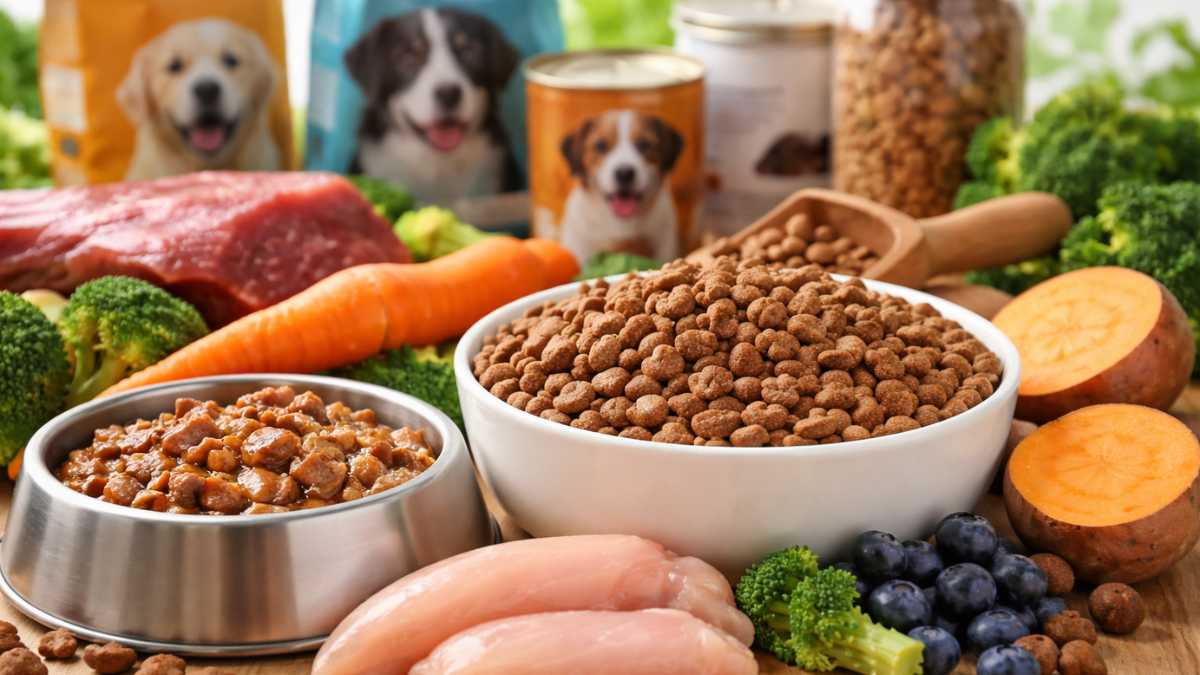
Choosing the best dry dog food for your beloved pet involves more than just picking a bag off the shelf; it means understanding their unique nutritional needs and finding a formula that truly supports their health and vitality. A high-quality dry kibble provides a convenient, complete, and balanced diet, essential for energy, a shiny coat, strong bones, and a robust immune system. Our guide cuts through the noise, helping you make an informed decision to ensure your dog thrives on every meal. We delve into key factors, from essential ingredients to feeding guidelines, empowering you to select the optimal nutrition.
Understanding Your Dog’s Unique Nutritional Needs
Every dog possesses unique dietary requirements influenced by their age, breed size, activity level, and any specific health conditions. Puppies demand more protein and fat for rapid growth, while senior dogs benefit from formulas supporting joint health and weight management. Active breeds require calorie-dense options, contrasting with less active companions needing controlled caloric intake to prevent obesity.
Understanding these distinctions forms the foundation of selecting the appropriate dry dog food. A generic “all life stages” formula might suffice for some, but tailored nutrition often yields superior health benefits. Always consult your veterinarian to pinpoint your dog’s specific needs, ensuring their diet perfectly aligns with their physiological demands.
What Makes the Best Dry Dog Food Truly Exceptional?
Defining the best dry dog food extends beyond marketing claims; it relies on tangible nutritional quality and ingredient transparency. An exceptional kibble offers a complete and balanced diet, meeting or exceeding the standards set by organizations like the AAFCO (Association of American Feed Control Officials). This means it contains the right balance of macronutrients (protein, fat, carbohydrates) and micronutrients (vitamins, minerals) essential for canine health.
Key indicators of superior dry dog food include:
- High-Quality Protein Sources: Real meat (chicken, beef, lamb, fish) listed as the first ingredient signifies robust muscle development and repair.
- Beneficial Fats: Healthy fats, like those from salmon oil or flaxseed, provide energy and support skin and coat health.
- Complex Carbohydrates: Wholesome grains (brown rice, oats) or grain-free alternatives (sweet potatoes, peas) offer sustained energy.
- Essential Vitamins and Minerals: A comprehensive blend supports immune function, bone density, and overall metabolic processes.
- Prebiotics and Probiotics: These aid digestion and promote a healthy gut microbiome, crucial for nutrient absorption.
- Antioxidants: Ingredients rich in antioxidants, such as berries and vegetables, combat cellular damage.
Conversely, the absence of artificial colors, flavors, preservatives, and excessive fillers marks a product worthy of consideration. Transparency in sourcing and manufacturing practices also signals a reputable brand committed to pet welfare.
Top Picks: A Comprehensive Best Dry Dog Food Review
Navigating the vast market for dry dog food can feel overwhelming. Our best dry dog food review highlights categories and examples of what to look for, based on common dog needs. While specific brand recommendations can change, understanding the types of food available empowers your choice.
Best for Puppies: Supporting Rapid Growth and Development
Puppy formulas typically boast higher calorie, protein, and fat content to fuel their rapid development. They also feature crucial nutrients like DHA for brain and eye development, and controlled calcium and phosphorus levels for healthy bone growth. Look for formulas specifically labeled “for puppies” or “all life stages” with a clear indication of suitability for growing dogs.
- Key features: Higher protein, DHA, balanced calcium.
- Ideal for: Pups of all sizes, ensuring optimal development.
Best for Adult Dogs: Maintaining Health and Vitality
Adult dog food focuses on maintenance, providing balanced nutrition to sustain energy levels, muscle mass, and overall well-being. The best options offer a moderate protein and fat content, with complex carbohydrates for sustained energy. Consider your dog’s activity level; a highly active dog will benefit from a more energy-dense formula than a couch potato.
- Key features: Balanced protein and fat, whole grains or quality grain-free options.
- Ideal for: Dogs over one year old, depending on breed size.
Best for Senior Dogs: Addressing Age-Related Needs
Senior dogs often benefit from formulas lower in calories to prevent weight gain, higher in fiber for digestive health, and fortified with joint-supporting ingredients like glucosamine and chondroitin. Antioxidants also play a vital role in combating cognitive decline and bolstering the immune system in aging pets.
- Key features: Lower calories, joint support, increased fiber, antioxidants.
- Ideal for: Dogs typically seven years and older, varying by breed size.
Best for Dogs with Sensitivities: Limited Ingredient Diets
Dogs with food allergies or sensitivities thrive on limited ingredient diets (LID). These formulas typically contain a single novel protein source (like duck or venison) and a single carbohydrate source (like sweet potato) to minimize potential allergens. Always consult your vet before transitioning to an LID.
- Key features: Single protein, single carbohydrate, free from common allergens.
- Ideal for: Dogs with digestive issues, skin allergies, or suspected food sensitivities.
Decoding the Label: Best Dry Dog Food Ingredients to Prioritize
Understanding the ingredient list is paramount when choosing the best dry dog food ingredients. The first five to ten ingredients give you the clearest picture of the food’s primary composition. Prioritizing quality ingredients ensures your dog receives optimal nutrition.
What to Look For: Essential Nutrients
- Named Meat as First Ingredient: Look for “chicken,” “beef,” “salmon meal,” or “lamb meal.” Meat meal is a concentrated form of protein, often more nutrient-dense than whole meat before processing. Avoid vague terms like “meat by-products” or “animal digest” as primary protein sources.
- Wholesome Grains or Quality Starch Sources: Brown rice, oats, barley, quinoa, sweet potatoes, or peas provide essential carbohydrates for energy and fiber for digestion. These are preferable to corn, wheat, or soy as primary carbohydrate sources, especially for dogs with sensitivities.
- Healthy Fats: Chicken fat (a superior source of linoleic acid), salmon oil, flaxseed, or sunflower oil provide crucial omega-3 and omega-6 fatty acids for skin, coat, and brain health.
- Fruits and Vegetables: Ingredients like cranberries, blueberries, apples, carrots, spinach, and kale offer natural vitamins, minerals, and antioxidants, supporting overall health and immune function.
- Probiotics and Prebiotics: Often listed as “dried lactobacillus acidophilus fermentation product” or “chicory root,” these promote a healthy digestive system, aiding nutrient absorption and immune health.
- Chelated Minerals: These minerals (e.g., “zinc proteinate”) are bonded to amino acids, making them more easily absorbed by your dog’s body.
What to Limit or Avoid
- Artificial Preservatives, Colors, and Flavors: BHA, BHT, ethoxyquin, artificial dyes (Blue 2, Red 40, Yellow 5 & 6), and synthetic flavorings offer no nutritional value and can be detrimental to health.
- Vague “Meat” or “Animal” By-Products: These undefined ingredients can come from various sources and may be of lower quality. While some by-products offer nutrition, transparency is key.
- Excessive Fillers: Corn gluten meal, wheat middlings, or extensive use of soy can be used to bulk up food without providing significant nutritional benefits, and are common allergens.
- Excessive Sodium: While a necessary nutrient, high levels of sodium can indicate lower-quality ingredients or be problematic for dogs with certain health conditions.
The Abundant Benefits of High-Quality Dry Dog Food
Investing in high-quality dry dog food yields numerous advantages, making it a cornerstone of preventive health and overall well-being. The best dry dog food benefits extend far beyond just satisfying hunger, contributing significantly to a dog’s longevity and quality of life.
- Optimal Nutrient Absorption: Superior ingredients are more digestible, allowing dogs to efficiently absorb essential vitamins, minerals, and proteins, minimizing waste.
- Sustained Energy Levels: Complex carbohydrates and balanced fats provide a consistent energy supply, preventing peaks and crashes, and supporting an active lifestyle.
- Improved Digestive Health: Fiber from wholesome grains, fruits, and vegetables, along with prebiotics and probiotics, promotes a healthy gut microbiome, leading to regular bowel movements and reduced digestive upset.
- Shinier Coat and Healthier Skin: Omega-3 and omega-6 fatty acids, particularly from sources like fish oil, significantly improve skin hydration and coat luster, reducing dryness and flaking.
- Stronger Immune System: A nutrient-dense diet, rich in antioxidants and vital micronutrients, fortifies the immune system, helping dogs resist illness and recover faster.
- Dental Health Benefits: The abrasive action of dry kibble helps scrape away plaque and tartar, contributing to better oral hygiene compared to softer foods.
- Healthy Weight Management: Properly balanced formulas provide satiety without excessive calories, aiding in maintaining a healthy weight and preventing obesity-related health issues.
- Enhanced Cognitive Function: Ingredients like DHA, often found in fish oils, support brain health, particularly beneficial for puppies and aging dogs.
These benefits collectively contribute to a happier, healthier dog, potentially reducing veterinary visits and increasing their vitality throughout their lives.
Best Dry Dog Food Feeding Guide: Ensuring Proper Portions
Even the best dry dog food feeding guide requires adherence to proper portion control. Overfeeding, even the highest quality kibble, leads to obesity, while underfeeding can result in nutrient deficiencies. Always refer to the specific feeding guidelines on your chosen dog food packaging, as caloric density varies significantly between brands and formulas.
Key Considerations for Feeding:
- Dog’s Weight and Age: Puppy, adult, and senior dogs have different caloric needs. Small breed adults might eat less than large breed adults.
- Activity Level: Highly active dogs (working dogs, frequent hikers) require more calories than sedentary pets. Adjust portions based on daily exercise.
- Body Condition Score: Regularly assess your dog’s body condition. You should easily feel their ribs but not see them prominently. An ideal body condition means a visible waist when viewed from above and a tucked-up abdomen from the side.
- Veterinarian’s Advice: Your vet can provide tailored feeding recommendations, especially for dogs with specific health conditions or weight management goals.
Transitioning to New Food: A Gradual Process
When introducing a new dry dog food, implement a gradual transition over 7-10 days to prevent digestive upset. Start by mixing 25% new food with 75% old food for a few days. Gradually increase the new food’s proportion while decreasing the old food, reaching 100% new food by day 7-10. Observe your dog for any signs of digestive distress during this period.
Understanding Dry Dog Food Price Points: Value vs. Cost
The best dry dog food price does not always equate to the highest price tag, but it rarely means the lowest. Premium dry dog foods often carry a higher upfront cost due to superior ingredients, more rigorous quality control, and advanced nutritional formulations. However, viewing this as an investment rather than an expense offers significant returns.
Factors Influencing Price:
- Ingredient Quality: Real, named meats, novel proteins, organic components, and specific beneficial supplements (like glucosamine) increase production costs.
- Manufacturing Processes: Small-batch production, specific cooking methods (e.g., low-temperature baking), and robust quality assurance add to the price.
- Brand Reputation and Research: Brands investing in nutritional research, veterinary consultation, and transparent sourcing may have higher costs reflecting their commitment to quality.
- Bag Size and Density: Larger bags often offer a lower price per pound. Denser, nutrient-rich kibble might require smaller feeding portions, making a more expensive bag last longer.
While budget constraints are real, consider the long-term value. Higher quality food can lead to better nutrient absorption, meaning you might feed less. It also contributes to fewer health issues over time, potentially saving on veterinary bills. Always evaluate the cost per serving and the overall nutritional benefits against the initial purchase price.
Frequently Asked Questions
How do I know if a dry dog food is truly “complete and balanced”?
Look for a statement from AAFCO (Association of American Feed Control Officials) on the packaging, indicating the food meets their nutritional standards for a specific life stage (e.g., “formulated to meet the nutritional levels established by the AAFCO Dog Food Nutrient Profiles for All Life Stages” or “for maintenance”).
Is grain-free dry dog food always better?
Not necessarily. While beneficial for dogs with grain sensitivities, grain-free diets are not universally superior. Some research suggests potential links between certain grain-free diets and heart issues in some breeds. Consult your veterinarian to determine if a grain-free diet is appropriate for your dog, or if whole grains provide suitable nutrition.
How long can I store dry dog food after opening?
Once opened, dry dog food should ideally be consumed within 4-6 weeks to maintain freshness and nutritional integrity. Store it in its original bag, sealed tightly, within an airtight container in a cool, dry place away from direct sunlight. This helps prevent spoilage and keeps pests away.
Conclusion
Selecting the best dry dog food is a vital decision for your dog’s health and happiness. By prioritizing high-quality ingredients, understanding your dog’s specific needs, and adhering to proper feeding guidelines, you empower them to live their healthiest, most vibrant life. Always consult your veterinarian for personalized dietary advice, ensuring your choice perfectly aligns with your dog’s unique journey. Your commitment to optimal nutrition provides the foundation for their long-term well-being, making every meal a step towards a healthier future.