
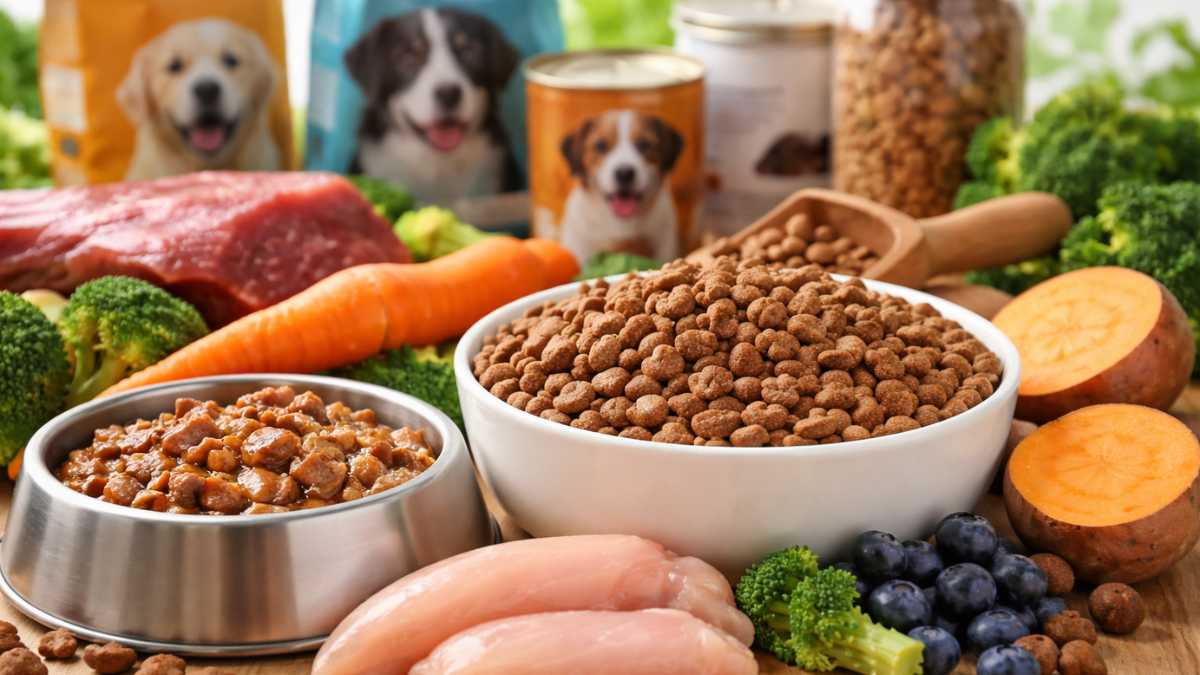
Choosing the right nutrition for your canine companion is paramount for their health and happiness. Among the myriad options available, wet dog food stands out for its unique benefits, appealing texture, and often higher moisture content. For many discerning pet parents, finding the best wet dog food becomes a mission to provide not just sustenance, but optimal well-being. This guide delves deep into what makes a premium wet food, exploring crucial ingredients, health benefits, proper feeding practices, and ultimately, helping you make an informed decision for your beloved dog.
Why Choose Wet Dog Food? Understanding the Benefits
Wet dog food, also known as canned or fresh dog food, offers a compelling array of advantages that can significantly contribute to your dog’s health. Understanding these benefits is the first step in appreciating why it might be the ideal choice for your furry friend.
- Enhanced Hydration: One of the most significant benefits of wet dog food is its high moisture content, typically ranging from 70-85%. This aids in keeping your dog well-hydrated, which is vital for kidney function, urinary tract health, and overall systemic well-being. Dogs who struggle to drink enough water can greatly benefit from this added hydration source.
- Increased Palatability: The rich aromas and tender textures of wet food are incredibly enticing to dogs. This makes it an excellent option for picky eaters, senior dogs with dental issues, or those with a reduced appetite due to illness. Its appeal ensures dogs consume the necessary nutrients.
- Higher Protein and Lower Carbohydrates: Quality wet dog foods often boast a higher protein content derived from animal sources and fewer carbohydrates compared to many dry kibbles. This composition closely mirrors a dog’s ancestral diet, supporting strong muscle development and sustained energy.
- Easier Digestion: The moisture and typically less processed nature of wet food can make it easier for some dogs to digest. This is particularly beneficial for dogs with sensitive stomachs or certain gastrointestinal issues.
- Weight Management Support: Despite its rich flavor, wet food can be beneficial for weight management. Its high moisture content helps dogs feel fuller with fewer calories, making it easier to control portions and prevent overeating, supporting a healthy weight.
Decoding the Label: Best Wet Dog Food Ingredients to Look For
The quality of any dog food hinges on its ingredients. When searching for the best wet dog food ingredients, a discerning eye on the label is essential. Prioritizing whole, recognizable ingredients ensures your dog receives superior nutrition.
- High-Quality Animal Protein (First Ingredient): Look for identifiable meat sources listed as the very first ingredient. Examples include “chicken,” “beef,” “lamb,” “turkey,” or “salmon.” These provide essential amino acids for muscle maintenance, tissue repair, and overall vitality. Avoid “meat by-products” or “meat meal” if not specified, as they can indicate lower quality.
- Healthy Fats: Essential fatty acids, particularly Omega-3 and Omega-6, are crucial for skin and coat health, joint function, and cognitive development. Sources like fish oil, flaxseed, and named animal fats (e.g., “chicken fat”) are beneficial.
- Complex Carbohydrates, Vegetables, and Fruits: While dogs thrive on protein, complex carbohydrates from sources like sweet potatoes, peas, brown rice, or oats provide sustained energy. Nutrient-rich vegetables and fruits such as carrots, spinach, blueberries, and apples offer vital vitamins, minerals, and antioxidants, supporting immunity and overall health.
- Vitamins and Minerals: A well-balanced wet food will include a complete profile of essential vitamins and minerals necessary for every bodily function, from bone health to metabolic processes. These are often listed as “vitamin supplements” or “chelated minerals.”
- Avoid Harmful Additives: Steer clear of artificial colors, flavors, and preservatives. Also, be wary of excessive fillers like corn, wheat, and soy, especially if your dog has sensitivities. Chemical preservatives such as BHA, BHT, and ethoxyquin should be avoided in favor of natural preservatives like mixed tocopherols (Vitamin E).
How to Select the Best Wet Dog Food for Your Canine Companion
Choosing the right wet food involves more than just reading ingredient lists; it requires considering your dog’s individual needs. This section acts as your personal best wet dog food review guide, helping you tailor your choice to your specific pet.
Consider Life Stage and Breed Size
A puppy’s nutritional requirements differ significantly from an adult or senior dog’s. Puppies need more calories, protein, and specific nutrients for growth. Adult dogs require maintenance nutrition, while seniors may benefit from fewer calories, joint support, and easily digestible formulas. Similarly, large breeds have different caloric and joint support needs compared to small breeds.
Address Specific Health Needs and Sensitivities
Many dogs have unique dietary requirements. For dogs with:
- Allergies or Sensitivities: Opt for limited ingredient diets (LID) that feature a single novel protein source and minimal other ingredients. Common allergens include chicken, beef, dairy, and wheat.
- Sensitive Stomachs: Look for easily digestible formulas with prebiotics and probiotics to support gut health. Lamb, fish, and turkey are often well-tolerated proteins.
- Weight Management: High-protein, lower-calorie wet foods can help dogs feel full while reducing calorie intake.
- Kidney or Liver Disease: Your veterinarian may recommend specific prescription diets with controlled protein or phosphorus levels.
Consulting a Veterinarian
Always consult your veterinarian before making significant changes to your dog’s diet, especially if your dog has underlying health conditions. They can provide personalized recommendations based on your dog’s age, breed, activity level, and health status.
Top Wet Dog Food Brands and Considerations
The market offers numerous reputable brands. When performing your own “best wet dog food review,” consider brands known for transparent sourcing, high-quality ingredients, and rigorous testing. Some brands specialize in:
- Grain-Free Options: For dogs with grain sensitivities, many excellent grain-free wet foods utilize alternative carbohydrate sources like peas or sweet potatoes.
- Limited Ingredient Diets: Ideal for dogs with known allergies, these foods simplify the ingredient list to minimize potential triggers.
- Prescription Diets: Available through veterinarians, these specialized formulas address specific medical conditions.
- Budget-Friendly vs. Premium: While premium brands often use higher quality ingredients, excellent mid-range options exist. The key is to evaluate the ingredient list and your dog’s response, not just the brand name.
Best Wet Dog Food Feeding Guide: Portioning and Storage
Proper feeding is just as crucial as choosing the right food. Following a reliable best wet dog food feeding guide ensures your dog receives adequate nutrition without over or underfeeding.
Reading Feeding Charts
Every reputable wet dog food brand provides a feeding chart on its packaging. These charts typically base recommendations on your dog’s weight and age. Remember these are guidelines; your dog’s individual metabolism and activity level may require adjustments.
Adjusting for Activity Level
Highly active dogs, working dogs, or those living in colder climates often require more calories than sedentary pets. Observe your dog’s body condition score regularly. If they are gaining too much weight, reduce portions; if they are too thin, increase them slightly.
Mixing Wet and Dry Food
Many owners choose to mix wet and dry food, often called “topping.” This can combine the dental benefits of kibble with the palatability and hydration of wet food. When mixing, ensure you reduce the portion of both foods proportionally to avoid overfeeding and calculate the total caloric intake correctly.
Proper Storage and Hygiene
Once opened, wet dog food is perishable. Store any unused portions in an airtight container in the refrigerator for no more than 3-5 days. Always ensure your dog’s bowl is clean before each meal to prevent bacterial growth. Never leave opened wet food out at room temperature for more than a few hours.
Making the Switch to Wet Food
If you are transitioning your dog from dry kibble to wet food, do so gradually over 7-10 days. Start by mixing a small amount of wet food with their current dry food, slowly increasing the proportion of wet food while decreasing the dry food. This helps prevent digestive upset.
Understanding the Best Wet Dog Food Price: Value vs. Cost
The best wet dog food price can vary significantly, prompting many owners to weigh cost against perceived value. It is important to look beyond the immediate price tag and consider the long-term benefits and overall quality.
Factors Influencing Price
Several factors contribute to the cost of wet dog food:
- Ingredient Quality: Foods made with human-grade, whole ingredients, novel proteins, or organic components will naturally be more expensive.
- Brand Reputation and Research: Brands that invest heavily in nutritional research, rigorous quality control, and sustainable sourcing often have higher prices.
- Production Method: Some wet foods undergo minimal processing, such as gently cooked or raw-inspired formulas, which can increase production costs.
- Specialized Formulas: Limited ingredient diets or prescription foods designed for specific health issues often command a premium due to their tailored composition.
Long-Term Health Benefits Justifying Cost
While a higher upfront cost might seem daunting, investing in premium wet dog food can lead to significant long-term savings. A diet rich in quality nutrients can:
- Reduce veterinarian visits by preventing diet-related illnesses.
- Improve coat health, potentially reducing grooming needs for certain issues.
- Support a stronger immune system, leading to fewer infections.
- Enhance overall vitality and longevity, leading to more quality time with your pet.
When comparing prices, consider the cost per serving rather than just the price per can. Denser, more nutritious foods may require smaller portions, making them more economical in the long run. Always evaluate the value proposition: what benefits does this food offer for its price?
Frequently Asked Questions
Is wet dog food better than dry kibble?
Both wet and dry dog foods offer distinct advantages. Wet food provides superior hydration, palatability, and often higher protein with lower carbohydrates. Dry kibble can be more convenient, cost-effective, and beneficial for dental hygiene. The “best” choice depends on your dog’s individual needs, health status, and preferences, often a combination of both is ideal.
How much wet food should I feed my dog daily?
Refer to the feeding guidelines on the specific wet dog food packaging. These charts are typically based on your dog’s weight and age. Always monitor your dog’s body condition and adjust portions as needed based on their activity level and metabolism. A veterinarian can provide tailored advice.
Can I mix wet and dry dog food?
Yes, mixing wet and dry dog food is a popular and beneficial approach. This practice, often called “topping,” can enhance palatability, increase hydration, and still provide the dental benefits of kibble. When mixing, ensure you proportionately reduce the serving size of each food to maintain a balanced caloric intake and prevent overfeeding.
What are the signs of a good quality wet dog food?
Good quality wet dog food features real, identifiable meat as the first ingredient, along with wholesome vegetables and fruits. It avoids artificial colors, flavors, preservatives, and excessive fillers like corn, wheat, or soy. Your dog’s improved coat, energy levels, healthy stool, and overall vitality are also excellent indicators.
Conclusion
Selecting the best wet dog food is a crucial decision that directly impacts your dog’s health and happiness. By understanding the profound benefits of quality wet food, meticulously scrutinizing ingredient labels for superior components, and tailoring your choice to your dog’s specific life stage and health needs, you empower them to thrive. While the price may vary, the long-term investment in premium nutrition often translates to fewer health issues and a more vibrant life for your cherished companion. Always consult with your veterinarian for personalized advice, ensuring you make the most informed decision for your dog’s optimal well-being.