
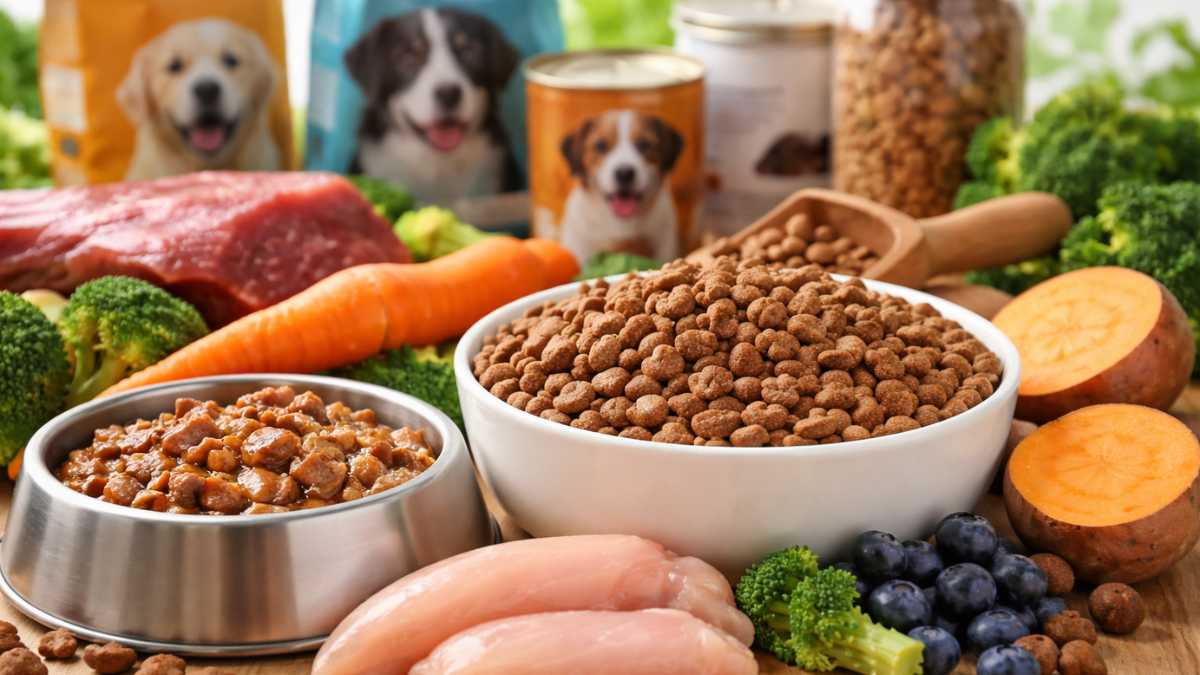
Bringing a new puppy into your home is an exciting time, filled with playful moments and important decisions. One of the most crucial choices you will make directly impacts your puppy’s health and development: their diet. When considering the best nutrition for your furry friend, salmon dog food for puppies stands out as an exceptional option. This guide delves deep into why salmon-based diets are gaining popularity, exploring their numerous benefits, essential ingredients, and how to select the perfect formula to ensure your puppy thrives from the earliest stages of life. You are about to unlock valuable insights that will help you provide a foundation of health and vitality for your growing companion.
The Undeniable Benefits of Salmon Dog Food for Puppies
Feeding your puppy a diet rich in salmon offers a cascade of health advantages that support their rapid growth and development. The unique nutritional profile of salmon makes it an excellent choice for young, active dogs.
- Optimal Brain and Eye Development: Salmon is an abundant source of Omega-3 fatty acids, particularly DHA (docosahexaenoic acid). DHA is critical for the healthy development of your puppy’s brain and vision. During their crucial early months, adequate DHA intake can significantly enhance cognitive function, leading to a smarter, more trainable puppy with sharper eyesight.
- Healthy Skin and Lustrous Coat: The Omega-3s, including EPA (eicosapentaenoic acid), found in salmon are renowned for promoting skin health and a shiny, soft coat. These fatty acids help to reduce inflammation, alleviate dryness, and minimize itching, which is especially beneficial for puppies prone to sensitivities or allergies. Your puppy’s coat will not only look fantastic but also feel incredibly soft.
- Strong Immune System Support: A robust immune system is vital for puppies as they explore their new world and encounter various pathogens. Salmon provides essential vitamins and minerals, such as Vitamin D, Vitamin B12, and selenium, which collectively fortify the immune system, helping your puppy ward off illnesses and stay healthy.
- Joint and Bone Health: While often associated with older dogs, supporting joint health begins in puppyhood. The anti-inflammatory properties of Omega-3s contribute to healthy joint development, laying the groundwork for a lifetime of mobility and play. Combined with calcium and phosphorus from other ingredients, salmon helps build strong bones.
- Digestive Wellness: Many salmon dog food for puppies formulations include digestible proteins and fiber sources that aid in maintaining a healthy digestive tract. Salmon is typically an easily digestible protein, reducing the likelihood of stomach upset and promoting efficient nutrient absorption, which is crucial for a growing puppy.
- Lean Muscle Development: As a high-quality protein source, salmon provides the necessary amino acids for building and repairing muscle tissue. This is incredibly important for puppies who are constantly growing, running, and playing, ensuring they develop strong, lean muscle mass.
Unpacking the Ingredients: What to Look for in Salmon Dog Food for Puppies
Understanding the ingredient list is paramount when selecting the best salmon dog food for puppies. A high-quality formula goes beyond just the primary protein source.
High-Quality Salmon as the First Ingredient
Always ensure that real salmon or salmon meal is listed as the very first ingredient. “Salmon meal” is often a more concentrated form of protein than whole salmon because much of the water content has been removed, providing a richer protein source by weight. Avoid products where vague terms like “meat by-products” or “animal digest” appear high on the list, especially before a named protein source.
Wholesome Carbohydrates for Energy
Puppies need sustained energy for growth and play. Look for wholesome carbohydrate sources like sweet potatoes, brown rice, barley, or oats. These provide complex carbohydrates that deliver steady energy and dietary fiber for digestive health. Some formulations may be grain-free, using peas, lentils, or potatoes instead, which can be suitable for puppies with grain sensitivities, but always consult with your vet.
Essential Fats Beyond Omega-3s
While salmon provides excellent Omega-3s, other healthy fats are also important. Look for ingredients like chicken fat (a highly digestible animal fat), flaxseed, or sunflower oil, which provide additional essential fatty acids and energy. Ensure the fat content is appropriate for a growing puppy, typically higher than adult dog food.
Fruits, Vegetables, and Antioxidants
A well-rounded puppy food will include a variety of fruits and vegetables such as blueberries, cranberries, carrots, spinach, and kale. These ingredients supply vital vitamins, minerals, and antioxidants that support overall health, immune function, and cellular protection. Antioxidants help combat free radicals, contributing to long-term well-being.
Probiotics and Prebiotics for Gut Health
Many premium salmon dog food for puppies formulations now include probiotics (beneficial bacteria) and prebiotics (fibers that feed these bacteria). These are excellent for maintaining a balanced gut microbiome, which is crucial for digestion, nutrient absorption, and immune health in developing puppies.
No Artificial Additives
Always check for the absence of artificial colors, flavors, and preservatives. These additives offer no nutritional benefit and can sometimes trigger sensitivities in puppies. Natural preservatives like mixed tocopherols (Vitamin E) are preferred.
Choosing the Right Salmon Dog Food for Puppies: A Detailed Review
The market for puppy food is vast, making the selection process overwhelming. To conduct an effective salmon dog food for puppies review, consider these factors:
- Life Stage Specificity: Ensure the food is specifically formulated for puppies or “all life stages,” indicating it meets the nutritional requirements for growth. Puppy formulas have different protein, fat, and calcium-to-phosphorus ratios compared to adult dog food.
- Brand Reputation and Transparency: Research brands thoroughly. Look for companies with a long-standing history of producing high-quality pet food, transparent sourcing practices, and scientific backing for their formulations. Read reviews from other puppy owners and look for certifications from veterinary associations if available.
- Ingredient Sourcing: Some brands are transparent about where they source their salmon and other ingredients. Opting for brands that use sustainably sourced salmon can be an added benefit.
- Veterinary Recommendation: Your veterinarian is an invaluable resource. They can provide tailored recommendations based on your puppy’s breed, size, activity level, and any specific health concerns or allergies.
- Palatability: Even the most nutritious food is useless if your puppy won’t eat it. While not always evident from the label, once you choose a food, monitor your puppy’s eagerness to eat and their overall health.
A Practical Salmon Dog Food for Puppies Feeding Guide
Proper feeding practices are just as important as the food itself. A salmon dog food for puppies feeding guide helps ensure your puppy gets the right amount of nutrition.
Follow Manufacturer Guidelines
Always start by following the feeding recommendations provided on the food packaging. These guidelines are usually based on your puppy’s current weight and anticipated adult weight. Adjust as needed based on your puppy’s individual metabolism and activity level.
Divide Meals
Puppies have small stomachs and high energy needs, so it is best to feed them multiple small meals throughout the day rather than one or two large ones.
- 8-12 weeks: 3-4 meals per day
- 3-6 months: 2-3 meals per day
- 6-12 months: 2 meals per day (transitioning to adult feeding frequency)
Gradual Transition
When switching to a new salmon dog food for puppies, do so gradually over 7-10 days to avoid digestive upset. Start by mixing 25% new food with 75% old food for a few days, then 50/50, then 75% new food with 25% old, until you are feeding 100% new food.
Monitor Body Condition
Regularly assess your puppy’s body condition. You should be able to feel their ribs easily without seeing them protruding. Their waist should be evident when viewed from above, and their abdomen should tuck up slightly when viewed from the side. Adjust feeding amounts if your puppy is too thin or gaining weight too rapidly.
Fresh Water is Essential
Always provide unlimited access to fresh, clean water. Hydration is crucial for all bodily functions, especially for growing puppies.
Understanding Salmon Dog Food for Puppies Price Points
The salmon dog food for puppies price can vary significantly, reflecting differences in ingredient quality, sourcing, brand reputation, and formulation. While it might be tempting to opt for the cheapest option, remember that quality nutrition is an investment in your puppy’s long-term health.
- Budget-Friendly Options: These might use salmon meal as the primary salmon source and rely on more common grains. They can still offer good nutrition but might contain fewer premium supplements or a narrower range of fruits and vegetables.
- Mid-Range Options: Often feature a good balance of real salmon, wholesome grains or grain-free alternatives, and a broader array of beneficial ingredients. These typically offer excellent value for money.
- Premium/High-End Options: These often boast human-grade ingredients, wild-caught or sustainably sourced salmon, exotic fruits and vegetables, extensive probiotic blends, and specialized formulations. The higher price often reflects the superior quality of ingredients and rigorous quality control.
Consider the cost per feeding rather than just the bag price. High-quality foods are often more nutrient-dense, meaning your puppy might need to eat less to feel satisfied and receive adequate nutrition, potentially balancing out the higher initial cost.
Frequently Asked Questions
Is salmon dog food suitable for all puppy breeds?
Yes, salmon dog food for puppies is generally suitable for all breeds, provided the specific formulation meets the AAFCO (Association of American Feed Control Officials) nutritional standards for growth. Always consider your puppy’s size and activity level when determining portion sizes.
Can salmon dog food help with puppy allergies?
For puppies with sensitivities to more common protein sources like chicken or beef, salmon can be an excellent alternative. Its novel protein status and anti-inflammatory Omega-3s can often help alleviate symptoms of food allergies or sensitivities, such as itchy skin or digestive upset. Consult your vet if you suspect your puppy has allergies.
How long should my puppy eat salmon dog food for puppies before switching to adult food?
The transition typically occurs between 10 to 18 months of age, depending on your puppy’s breed and anticipated adult size. Smaller breeds mature faster, while giant breeds can continue on puppy food for up to 18-24 months. Your veterinarian can provide the best guidance for your specific puppy.
Are there any downsides to feeding salmon to puppies?
For most puppies, there are no downsides, but it is important to ensure the salmon is properly cooked and prepared for pet consumption. Raw salmon can contain parasites that are harmful to dogs. Commercial salmon dog food for puppies is safely processed. Always ensure the food is complete and balanced for growth.
Conclusion
Choosing the right nutrition for your growing companion is a cornerstone of responsible pet ownership, and salmon dog food for puppies presents an outstanding option. By understanding the profound benefits of Omega-3s for brain development, skin, and coat health, combined with a meticulous review of quality ingredients and proper feeding practices, you are well-equipped to make an informed decision. Investing in a high-quality salmon-based diet provides your puppy with the essential building blocks for a vibrant, healthy, and happy life, laying the foundation for many years of joyful companionship.