
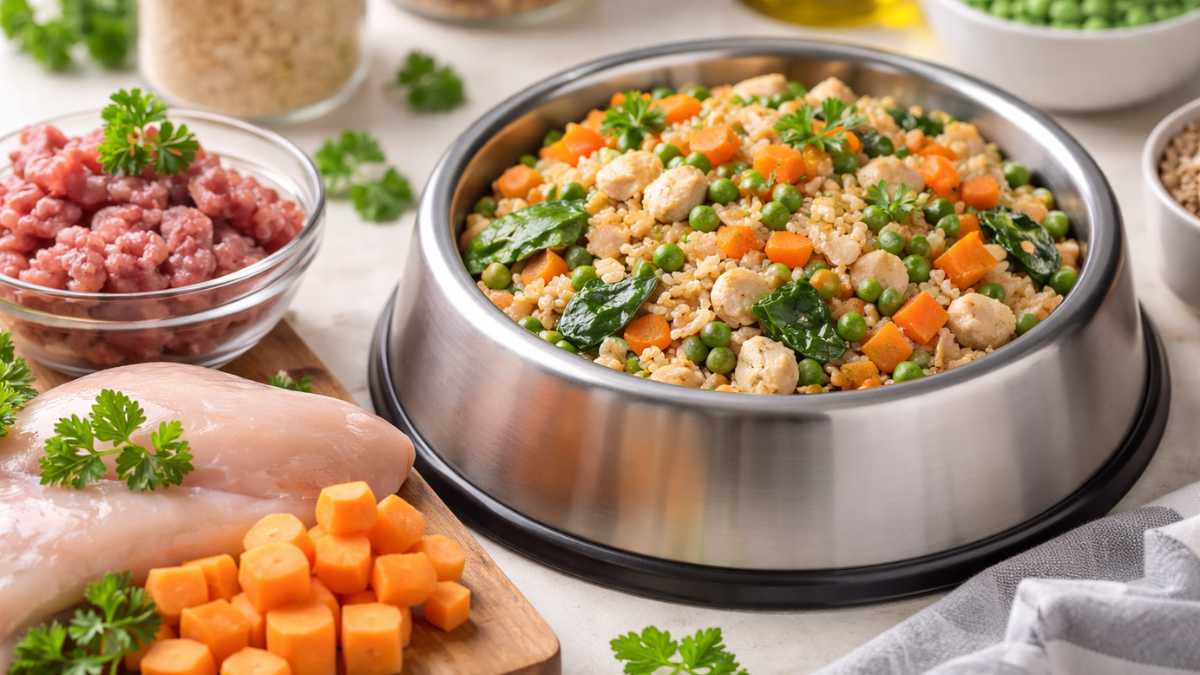
Many pet owners today seek alternatives to conventional kibble, aiming to provide their dogs with a diet closer to their ancestral roots. A well-formulated raw dog food recipe offers numerous potential benefits, from improved digestion to enhanced coat health. This comprehensive guide explores everything you need to know about creating a balanced, nutritious, and safe raw diet for your furry companion. We delve into essential ingredients, proper preparation techniques, and crucial feeding guidelines to ensure your dog thrives on this natural approach to nutrition. By understanding the core components and principles, you empower yourself to craft meals that truly support your dog’s long-term health and vitality. Providing a biologically appropriate diet can make a profound difference in their overall well-being.
The Benefits of a Raw Dog Food Recipe
Transitioning your dog to a raw diet often brings a noticeable improvement in their overall health and demeanor. Owners frequently report a range of positive changes when consistently feeding a balanced raw dog food recipe. These benefits extend beyond superficial appearances, impacting internal health systems significantly.
- Improved Digestion: Raw food is often easier for dogs to digest, leading to smaller, firmer, and less odorous stools. The natural enzymes present in raw ingredients assist in breaking down food more efficiently.
- Enhanced Skin and Coat Health: Many dogs on a raw diet develop shinier coats and experience a reduction in skin allergies and dryness. The high-quality fats and nutrients contribute directly to healthy skin and lustrous fur.
- Increased Energy and Vitality: A diet rich in natural, unprocessed nutrients can boost a dog’s energy levels, promoting more active play and better overall engagement. Dogs often show a renewed zest for life.
- Better Weight Management: Raw diets, when properly balanced, help dogs maintain a healthy weight. They provide satiety without excessive fillers, aiding in preventing obesity.
- Stronger Immune System: The natural vitamins, minerals, and antioxidants in a raw dog food recipe support a robust immune system, helping your dog fight off illness more effectively.
- Cleaner Teeth and Fresher Breath: Chewing raw bones and fibrous meats naturally scrapes away plaque and tartar, contributing to better dental hygiene and fresher breath.
Key Raw Dog Food Recipe Ingredients
A balanced raw dog food recipe ingredients list requires a thoughtful combination of muscle meat, organ meat, and bone, supplemented with fruits, vegetables, and beneficial oils. Achieving the correct ratios is paramount to providing complete nutrition. Each component plays a vital role in your dog’s health.
Protein Sources (Muscle Meat)
Muscle meat forms the bulk of a raw diet, providing essential amino acids for muscle development and energy. Good options include:
- Chicken (thighs, breast)
- Turkey
- Beef (ground, stew meat)
- Pork (lean cuts)
- Lamb
- Fish (sardines, mackerel – for Omega-3s)
Always ensure the meat is raw and never cooked, as cooked bones can splinter and cause internal injury. Rotate protein sources to offer a wider spectrum of nutrients.
Organ Meats
Organ meats are nutritional powerhouses, rich in vitamins and minerals not found in muscle meat alone. They should constitute about 10% of the overall diet. Include:
- Liver (chicken, beef, lamb) – excellent source of Vitamin A
- Kidney (beef, pork) – rich in iron and B vitamins
- Heart (chicken, beef) – a dense muscle rich in taurine
- Spleen and Pancreas (less common but highly nutritious)
Too much organ meat, especially liver, can lead to nutrient imbalances or digestive upset, so adhere to the recommended percentages.
Bone Content
Raw edible bone is crucial for calcium and phosphorus balance and dental health. Bones should be raw and easily digestible, never weight-bearing bones from large animals. Aim for approximately 10-15% bone content. Appropriate choices include:
- Chicken necks, backs, wings
- Turkey necks
- Lamb ribs (small, non-weight bearing)
- Rabbit parts
Always supervise your dog when they consume bones. Bones should be appropriately sized for your dog to prevent choking hazards.
Fruits and Vegetables
While dogs are primarily carnivores, certain fruits and vegetables offer valuable vitamins, minerals, and antioxidants. They should make up a smaller portion, around 5-10% of the diet, and always be pureed or finely chopped for better digestibility. Include:
- Leafy greens (spinach, kale – in moderation)
- Carrots
- Broccoli (florets and stems)
- Pumpkin (pureed, unsweetened)
- Blueberries
- Apples (without seeds)
Avoid grapes, raisins, onions, garlic, and avocado, as these are toxic to dogs.
Supplements
Depending on the ingredients, some supplements can round out a raw dog food recipe:
- Fish Oil: Rich in Omega-3 fatty acids for skin, coat, and joint health.
- Probiotics: Support gut health and digestion.
- Egg: A complete protein source, including the shell (powdered) for extra calcium.
- Kelp: Provides trace minerals and iodine for thyroid health.
Consult with a holistic vet or canine nutritionist before adding significant supplements to ensure they are necessary and correctly dosed for your dog’s specific needs.
Crafting Your Own Raw Dog Food Recipe
Creating a balanced raw diet involves more than simply mixing ingredients; it requires careful consideration of ratios, sourcing, and preparation to ensure safety and nutritional completeness.
Understanding Ratios
A commonly recommended ratio for an adult dog’s raw diet is 80/10/5/5, which translates to:
- 80% Muscle Meat: The primary protein source.
- 10% Raw Edible Bone: Essential for calcium and phosphorus.
- 5% Liver: A concentrated source of vitamins.
- 5% Other Secreting Organs: Kidney, spleen, pancreas, etc., for diverse nutrients.
You can then add a small percentage (up to 10%) of pureed fruits and vegetables for additional fiber and antioxidants. Adjust these ratios based on your dog’s age, activity level, and health status.
Sourcing Ingredients Safely
The quality of your ingredients directly impacts the nutritional value and safety of your raw dog food recipe. Prioritize human-grade, fresh ingredients from reputable sources. Look for:
- Local butchers who can provide fresh cuts and organ meats.
- Farmers’ markets for fresh, seasonal produce.
- Reputable online suppliers specializing in raw pet food ingredients.
Always ensure meats are handled with the same care you would use for your own food to prevent bacterial contamination.
Preparation and Storage
Maintain strict hygiene when preparing raw food. Use separate cutting boards and utensils for raw meat, and sanitize all surfaces thoroughly after use. Grind bones and tougher meats if your dog has difficulty chewing. Portion meals into daily servings and freeze them. Thaw portions in the refrigerator 24-48 hours before feeding. Raw food should not sit out at room temperature for more than 30 minutes to an hour to minimize bacterial growth. Never cook any portion of the raw meal, especially if it contains bones.
Raw Dog Food Recipe Feeding Guide
A precise raw dog food recipe feeding guide is crucial for maintaining your dog’s ideal body condition. Factors like age, activity level, and metabolism all influence how much food your dog needs daily.
Determining Portion Sizes
A general guideline for feeding adult dogs is 2-3% of their ideal body weight per day. For example, a 50-pound dog might need 1 to 1.5 pounds of food daily. Growing puppies, pregnant, or lactating dogs require significantly more, often 5-10% of their current body weight. Monitor your dog’s weight and adjust portions accordingly. You should be able to feel their ribs easily but not see them prominently. A tucked waist is also a good indicator of a healthy weight.
Transitioning Your Dog
Introduce a raw dog food recipe gradually to avoid digestive upset. Start by replacing a small portion of their current food with raw food, slowly increasing the raw percentage over 7-10 days. Some dogs adapt quickly, while others need a slower transition. For sensitive dogs, fasting for 12-24 hours before their first raw meal can sometimes help reset their digestive system. Ensure you offer new proteins one at a time to identify any potential sensitivities.
Raw Dog Food Recipe Review: What to Consider
Before committing to a raw diet, conduct a thorough raw dog food recipe review of its suitability for your dog and lifestyle. This approach is not without its considerations, and understanding both the advantages and potential drawbacks empowers you to make an informed decision.
Potential Pros
- Improved overall health and vitality.
- Better control over ingredients, avoiding fillers and artificial additives.
- Reduced allergic reactions in some dogs.
- Support for a healthy weight and strong immune system.
Potential Cons
- Time and Effort: Preparing homemade raw meals requires significant time and effort.
- Cost: High-quality raw ingredients can be more expensive than kibble.
- Storage: Requires ample freezer space for bulk ingredients and prepped meals.
- Nutritional Balance: Achieving and maintaining complete nutritional balance can be challenging without proper research or professional guidance. Imbalances can lead to long-term health issues.
- Bacterial Risk: Handling raw meat carries a risk of bacterial contamination (e.g., Salmonella, E. coli) to both pets and humans if not handled properly.
Thorough research and careful execution are essential for a successful raw feeding journey. Always prioritize safety and consult with veterinary professionals.
Raw Dog Food Recipe Price: Cost Considerations
Understanding the raw dog food recipe price is vital for budgeting. While often perceived as more expensive than commercial kibble, the actual cost varies significantly based on ingredient choices, sourcing, and whether you prepare meals yourself or purchase pre-made options.
DIY Raw Feeding:
Preparing your own raw food often proves more cost-effective than buying pre-made commercial raw diets. Purchasing meat in bulk from local butchers, co-ops, or directly from farms can reduce costs. Look for sales on muscle meats and organ meats. Utilizing less expensive protein sources like chicken backs, frames, and turkey necks also helps manage expenses. Factoring in the cost of supplements, fruits, and vegetables, DIY raw feeding typically ranges from $2 to $5 per day for a medium-sized dog, but this can fluctuate widely.
Commercial Raw Diets:
Pre-made frozen raw dog food patties or chubs offer convenience but come at a higher price point. These are generally formulated to be nutritionally complete and balanced, saving you preparation time. Prices for commercial raw options can range from $5 to $15 or more per day, depending on the brand, ingredients, and the size of your dog. While more expensive upfront, some owners find the peace of mind and time savings worth the investment.
Consider the potential long-term savings on vet bills due to improved health when evaluating the overall investment in a raw diet.
Frequently Asked Questions
Is a raw dog food recipe safe for all dogs?
While many dogs thrive on a raw diet, it’s not suitable for every dog. Puppies, immunocompromised dogs, or those with certain health conditions might require careful consideration and veterinary oversight. Always consult with your veterinarian before making significant dietary changes.
How often should I feed my dog a raw dog food recipe?
Most adult dogs do well with one to two meals per day. Puppies and very active dogs may benefit from three smaller meals daily to accommodate their higher energy needs and faster metabolism. Consistency in feeding times aids digestion.
Can puppies eat a raw dog food recipe?
Yes, puppies can thrive on a raw diet, but achieving proper nutritional balance, especially calcium and phosphorus ratios, is critical for their developing bones. It is highly recommended to work with a knowledgeable veterinarian or canine nutritionist when feeding a raw diet to a growing puppy to prevent developmental issues.
What if my dog doesn’t like the raw dog food recipe?
Some dogs are finicky. Try different protein sources, vary the consistency (e.g., ground vs. chunky), or lightly sear the outside of the meat to make it more appealing. Patience is key; a gradual transition often works best. Ensure the food is at room temperature, as cold food can be less palatable.
Conclusion
Embracing a homemade raw dog food recipe offers a powerful way to enhance your dog’s health and longevity. By carefully selecting high-quality ingredients, adhering to balanced ratios, and practicing safe handling, you provide a diet that aligns with their natural biological needs. The journey to a raw diet demands commitment and research, but the rewards—visible improvements in coat, energy, digestion, and overall vitality—are immeasurable. Always consult with a veterinary professional to ensure the diet meets your dog’s specific health requirements. Empower yourself to craft nutritious meals and witness your beloved companion flourish with a truly species-appropriate diet.