
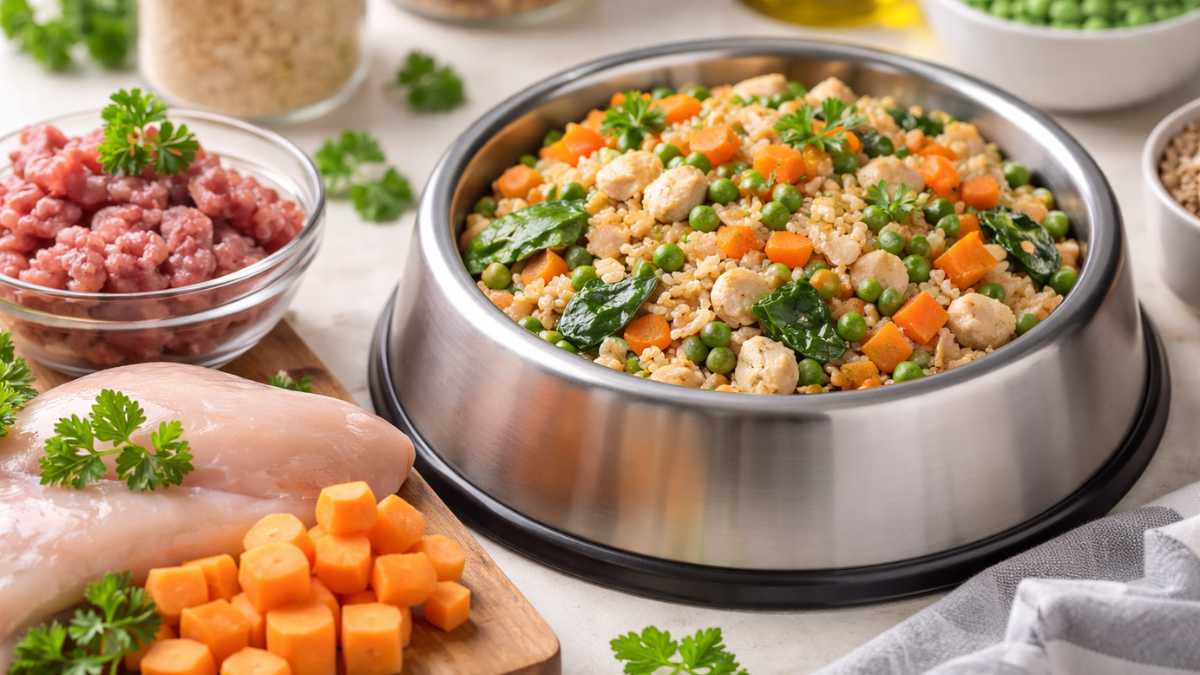
Providing your dog with the best nutrition remains a top priority for responsible pet owners. As interest in wholesome, minimally processed pet foods grows, many are exploring the benefits of a homemade freeze dried dog food recipe. This innovative approach to canine cuisine offers a convenient, shelf-stable, and nutrient-dense option, allowing you to control every ingredient your beloved pet consumes. By understanding the principles behind freeze-drying and selecting high-quality components, you empower yourself to create a superior diet tailored specifically to your dog’s needs. Dive into the world of homemade freeze-dried meals and unlock a new level of health for your furry friend.
Understanding What Freeze-Dried Dog Food Is
Freeze-dried dog food undergoes a unique preservation process that removes moisture while retaining nearly all nutritional value. Unlike traditional kibble, which often relies on high-heat processing that can degrade vitamins and enzymes, freeze-drying involves freezing the food and then placing it in a vacuum chamber. This process, called sublimation, transforms ice directly into vapor, leaving behind a lightweight, nutrient-packed product. The result is a highly palatable, convenient food that boasts an extended shelf life without the need for artificial preservatives.
- Preservation Method: Sublimation (ice to vapor).
- Nutrient Retention: Maximizes natural vitamins, minerals, and enzymes.
- Shelf Stability: Offers long-term storage without refrigeration.
- Convenience: Lightweight and easy to rehydrate or serve dry.
The Abundant Benefits of a Homemade Freeze Dried Dog Food Recipe
Opting for a homemade freeze dried dog food recipe offers a multitude of advantages over commercial alternatives. Primarily, you gain complete control over the ingredients, allowing you to avoid fillers, artificial colors, preservatives, and common allergens often found in store-bought options. This transparency ensures your dog consumes only the highest quality components. Furthermore, the gentle freeze-drying process helps preserve heat-sensitive nutrients that might otherwise be lost during traditional cooking methods, such as certain B vitamins and beneficial enzymes crucial for digestion. Owners report improved coat health, increased energy levels, better digestion, and reduced allergy symptoms in dogs fed a raw or minimally processed diet. The ability to customize recipes also caters to specific dietary restrictions or preferences your dog may have, making it an incredibly versatile feeding strategy.
- Ingredient Control: Select premium, human-grade components.
- Enhanced Nutrition: Retains vital vitamins, minerals, and enzymes.
- Allergy Management: Easily avoid common triggers and irritants.
- Improved Health Markers: Often leads to better coat, digestion, and energy.
- Dietary Customization: Tailor recipes for individual canine needs.
Essential Ingredients for Your Freeze Dried Dog Food Recipe
Crafting a balanced and nutritious freeze dried dog food recipe ingredients list requires careful consideration of canine dietary needs. A healthy dog diet primarily consists of protein, fat, and a small percentage of carbohydrates, along with essential vitamins and minerals. Here are the core components you should include:
Protein Sources
High-quality animal proteins form the foundation of any dog’s diet. Opt for lean meats and organ meats. Ensure variety for a broad spectrum of amino acids.
- Lean Meats: Chicken breast, turkey, lean ground beef, lamb, venison, rabbit.
- Organ Meats: Liver (chicken, beef), heart, kidney. These are nutrient powerhouses, but feed in moderation.
- Fish: Salmon, sardines (packed in water, no salt), mackerel – excellent sources of omega-3 fatty acids.
Healthy Fats
Fats provide concentrated energy and are vital for nutrient absorption and skin/coat health. Avoid excessive amounts.
- Animal Fats: Naturally present in meats.
- Fish Oil: Supplement with pure fish oil or include fatty fish.
- Egg Yolks: A good source of fat, vitamins, and minerals.
Vegetables and Fruits
These provide essential vitamins, minerals, fiber, and antioxidants. Always ensure they are dog-safe.
- Leafy Greens: Spinach, kale (in moderation), romaine lettuce.
- Cruciferous Vegetables: Broccoli, cauliflower (steamed and in moderation to avoid gas).
- Root Vegetables: Carrots, sweet potatoes (cooked).
- Fruits: Blueberries, apples (without seeds), bananas (in moderation).
Supplements (Optional but Recommended)
To ensure a complete and balanced diet, especially when starting out, consider supplements.
- Bone Meal or Eggshell Powder: For calcium and phosphorus balance.
- Probiotics: Support gut health.
- Multivitamin/Mineral Supplement: Specifically formulated for dogs, especially if you are not following a professionally balanced raw recipe.
Step-by-Step Guide to Creating Your Freeze Dried Dog Food Recipe
Making your own freeze dried dog food recipe requires a freeze dryer, but the preparation process is straightforward. Follow these steps to ensure a safe and nutritious meal for your pet.
Step 1: Source High-Quality Ingredients
Begin by selecting human-grade meats, fresh vegetables, and fruits. Prioritize organic options where possible to minimize pesticide exposure. Remember, the quality of your finished product directly reflects the quality of your raw materials.
Step 2: Prepare Your Ingredients
- Meats: Grind or finely chop meats. If using organ meats, chop them into small, manageable pieces.
- Vegetables/Fruits: Puree or finely chop vegetables and fruits. Cooking starchy vegetables like sweet potatoes before mixing improves digestibility.
- Mixing: Combine all ingredients thoroughly in a large bowl. Ensure an even distribution of all components.
Step 3: Formulate Portions
Shape the mixture into small patties, cubes, or crumbles. This allows for even freeze-drying and convenient portioning later. Consider your dog’s size and daily caloric needs when determining the size of each portion.
Step 4: Load the Freeze Dryer
Arrange the prepared food items on the freeze dryer trays, ensuring they do not touch. This allows for optimal air circulation and efficient moisture removal during the freeze-drying cycle.
Step 5: Run the Freeze Dryer Cycle
Follow your freeze dryer’s instructions for operation. The cycle duration varies depending on the moisture content and thickness of the food, typically ranging from 20 to 40 hours. Ensure the food is completely dry before removing it.
Step 6: Store Your Homemade Freeze-Dried Food
Once completely dry, store the freeze-dried dog food in airtight containers, such as mylar bags with oxygen absorbers, or vacuum-sealed bags. Proper storage prevents moisture reabsorption and maintains freshness for an extended period.
The Science Behind the Freeze Drying Process Explained
The freeze-drying process, technically known as lyophilization, is a sophisticated method of food preservation. It involves three primary stages: freezing, primary drying (sublimation), and secondary drying (adsorption). First, the food freezes solid, converting all water into ice. Next, during primary drying, the chamber pressure reduces significantly, and a small amount of heat applies, causing the ice to sublimate directly into water vapor, bypassing the liquid phase. This vapor then condenses on a cold trap. Finally, secondary drying removes residual unfrozen water molecules through adsorption, achieving a very low moisture content (typically 1-4%). This low moisture content inhibits microbial growth and enzymatic reactions, thereby preserving the food’s integrity, flavor, and nutrient profile without the need for chemical additives or high temperatures that can damage delicate nutrients. Understanding this process highlights why a homemade freeze dried dog food recipe offers such a high standard of preservation.
Effective Feeding Guidelines for Freeze-Dried Dog Food
When incorporating a homemade freeze dried dog food recipe feeding guide into your dog’s diet, proper rehydration and portion control are crucial. Freeze-dried food is highly concentrated, so serving it correctly ensures your dog receives adequate hydration and nutrients without overeating.
Rehydration
You can serve freeze-dried food dry as a crunchy snack or mixed with kibble, but most pet owners rehydrate it for a more palatable and digestible meal. Simply add warm water or bone broth to the food. Use approximately equal parts liquid to food by volume, or follow the specific recommendations of your recipe. Allow it to sit for 5-10 minutes to fully absorb the liquid and soften. The food should have a moist, stew-like consistency.
Portion Control
Always base portion sizes on your dog’s weight, activity level, age, and any specific dietary needs. Start by calculating the caloric content of your specific homemade recipe. A general guideline is to feed approximately 1-2% of your dog’s ideal body weight in freeze-dried food daily, but this can vary significantly. Monitor your dog’s weight and adjust portions as needed. Always consult your veterinarian for personalized feeding recommendations, especially when transitioning to a new diet or for dogs with health conditions.
- Rehydrate: Add warm water or bone broth (equal parts by volume).
- Soak Time: Allow 5-10 minutes for full absorption.
- Portioning: Base on dog’s weight, activity, and age. Consult a vet.
- Monitoring: Adjust portions based on weight and overall health.
Considering a Freeze Dried Dog Food Recipe Review
Before diving into making your own, reviewing the experiences of others who have embraced a freeze dried dog food recipe review can provide invaluable insights. Many pet owners share their journeys, detailing the ingredients they used, the challenges they faced, and the positive outcomes observed in their pets. Look for reviews that discuss specific ingredient combinations, success with various protein sources, and tips for optimizing the freeze-drying process. Common themes in positive reviews include improved coat luster, increased energy, better stool quality, and a noticeable reduction in allergy symptoms. Negative feedback often centers on the initial investment in a freeze dryer or the time commitment involved, rather than the quality of the food itself. Engaging with these shared experiences helps manage expectations and fine-tune your approach, potentially saving you from common pitfalls and leading to a more successful outcome for your dog.
Cost Analysis: Freeze Dried Dog Food Recipe Price
Understanding the freeze dried dog food recipe price involves more than just the cost of ingredients. While premium ingredients can be expensive, the initial investment in a home freeze dryer represents the most significant financial consideration. These machines can range from $2,500 to $5,000 or more, making it a substantial upfront cost. However, for those committed to feeding a high-quality, homemade diet long-term, the economics can shift. Over time, making your own freeze-dried food often proves more cost-effective than consistently purchasing commercially freeze-dried raw foods, which typically carry a premium price tag. Factor in the cost of electricity for running the freeze dryer and the time investment for preparation. For multiple pets or dogs with specific dietary needs, the savings on vet bills due to improved health and reduced dependency on expensive specialized diets can also contribute to the overall value proposition. Calculate your potential savings per pound compared to store-bought options to determine if the initial outlay justifies the long-term benefits for your household.
- Initial Investment: Freeze dryer (significant upfront cost).
- Ingredient Costs: Varies based on quality and type (e.g., organic, specialty meats).
- Operational Costs: Electricity for the freeze dryer, packaging.
- Long-term Savings: Often cheaper than commercial freeze-dried food, potential vet bill reduction.
- Time Investment: Preparation and freeze-drying cycle management.
Frequently Asked Questions
Is homemade freeze-dried dog food safe for all dogs?
Yes, when prepared correctly with balanced nutrients and human-grade ingredients, it is generally safe and beneficial. Always consult your veterinarian, especially for puppies, senior dogs, or those with specific health conditions.
How long does homemade freeze-dried dog food last?
When properly freeze-dried and stored in airtight containers with oxygen absorbers, it can last for 15-25 years. This incredible shelf life is a major advantage of the freeze-drying process.
Can I freeze-dry cooked food for my dog?
Yes, you can freeze-dry cooked food. However, many owners prefer to freeze-dry raw food to preserve the maximum nutrient content, as cooking can degrade some heat-sensitive vitamins and enzymes.
Do I need to add supplements to my homemade freeze-dried dog food?
For a balanced and complete diet, especially if you are not following a vet-formulated raw recipe, adding a high-quality canine multivitamin/mineral supplement and calcium source (like bone meal) is highly recommended. Always aim for a nutritionally complete profile.
What are the best meats to use for a freeze-dried dog food recipe?
Lean meats like chicken, turkey, lean beef, and lamb are excellent. Including organ meats (liver, heart) in moderation significantly boosts nutrient density. Varying protein sources provides a broader range of amino acids and micronutrients.
Conclusion
Embarking on the journey of creating your own freeze dried dog food recipe represents a significant commitment to your pet’s health and well-being. By taking control of the ingredients and leveraging the advanced preservation method of freeze-drying, you provide a diet that is not only packed with vital nutrients but also free from undesirable additives. While the initial investment in a freeze dryer may be considerable, the long-term benefits—including improved canine health, reduced vet visits, and the satisfaction of knowing exactly what your dog consumes—offer immense value. This guide empowers you with the knowledge to craft a nutritious, delicious, and shelf-stable diet, ensuring your furry companion thrives for years to come.