
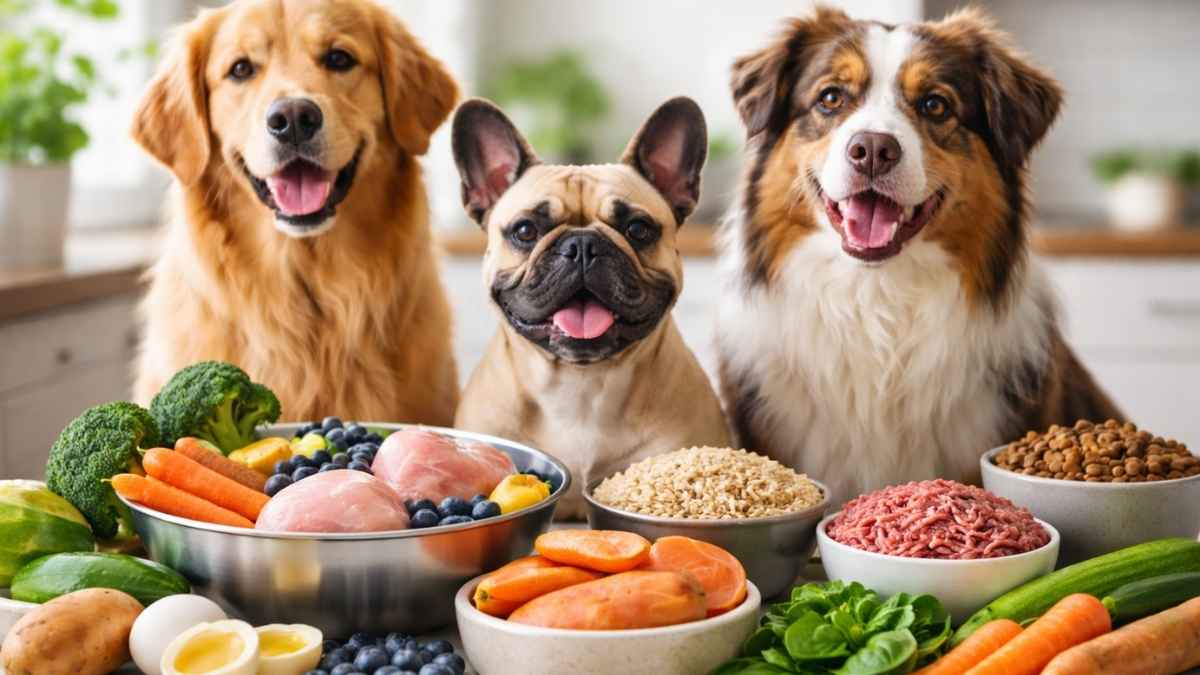
Providing your dog with the best nutrition remains a top priority for any dedicated pet parent. As you explore various feeding options, homemade meals often emerge as a preferred choice, allowing precise control over ingredients and quality. Among these options, creating freeze dried dog food recipes offers a unique blend of convenience, nutrient preservation, and customization. This method transforms fresh, wholesome ingredients into shelf-stable, lightweight meals that retain their original nutritional value, taste, and aroma, making them an excellent choice for daily feeding, travel, or emergency preparedness. Crafting these meals at home empowers you to ensure your furry friend receives a diet free from artificial additives, fillers, and common allergens, tailored specifically to their needs.
Why Choose Homemade Freeze Dried Dog Food?
The decision to prepare homemade freeze dried dog food comes with a multitude of benefits for both you and your pet. This method significantly extends the shelf life of perishable ingredients without compromising their nutritional integrity. Freeze-drying works by removing moisture through sublimation, a process where ice turns directly into vapor, leaving behind almost all of the food’s original nutrients, enzymes, and flavors. This stands in stark contrast to traditional dehydration, which often involves heat that can degrade sensitive nutrients.
Consider the advantages:
- Nutrient Retention: Freeze-drying preserves up to 97% of a food’s original nutritional content, including vitamins, minerals, and amino acids. Your dog receives the full benefit of fresh ingredients.
- Enhanced Palatability: Without significant heat exposure, the natural flavors and aromas of the ingredients remain potent, often making freeze-dried food highly appealing even to picky eaters.
- Convenience and Portability: These lightweight, shelf-stable meals require no refrigeration and are perfect for trips, camping, or quick meal preparations. Simply rehydrate with water.
- Ingredient Control: You dictate every component, avoiding unwanted preservatives, artificial colors, or fillers commonly found in commercial dog foods. This becomes crucial for dogs with allergies or sensitivities.
- Cost-Effectiveness: While the initial investment in equipment might be significant, making your own food can prove more economical over time compared to purchasing premium freeze-dried options.
Understanding the Freeze-Drying Process for DIY Dog Food
Creating DIY freeze dried dog food requires specialized equipment: a home freeze dryer. While this represents a notable investment, it opens up a world of possibilities for preserving a variety of foods, not just for your pet. The process itself involves three main stages:
1. Freezing
The food is first frozen to a very low temperature, typically -30 to -50 degrees Fahrenheit, or even colder. This ensures all the water within the food turns into solid ice. Rapid freezing helps create smaller ice crystals, which are easier to remove during the next stage and result in better texture retention.
2. Primary Drying (Sublimation)
Once frozen, the food is placed in a vacuum chamber. A vacuum pump lowers the pressure inside the chamber to below the triple point of water. Simultaneously, a small amount of heat is applied to the shelves where the food rests. Under these conditions, the ice transforms directly into water vapor (sublimation) without ever melting into liquid water. This vapor is then collected on a cold condenser coil, leaving the solid components of the food intact.
3. Secondary Drying
After most of the ice has sublimated, a slightly higher temperature is applied to remove any remaining unfrozen water molecules that are bound to the food. This final step ensures the food is completely dry, typically reaching a moisture content of 1-5%. This ultra-low moisture level prevents microbial growth and enzymatic activity, allowing for long-term storage.
Essential Freeze Dried Dog Food Ingredients
Crafting nutritious freeze dried dog food ingredients involves selecting high-quality, human-grade components that provide a balanced diet. A dog’s diet primarily requires protein, healthy fats, and a small amount of carbohydrates, along with essential vitamins and minerals. Think about the types of ingredients you would include in a healthy, balanced meal for yourself, then adapt them for your canine companion.
Protein Sources (The Foundation)
- Lean Meats: Chicken breast, turkey, lean ground beef, venison, lamb, or pork loin. Ensure all bones are removed.
- Organ Meats: Liver, kidney, heart (from chicken, beef, or lamb) are nutritional powerhouses, rich in vitamins and minerals. Use these in moderation, typically comprising 5-10% of the total protein.
- Fish: Salmon, sardines, or mackerel (boneless, skinless) provide excellent omega-3 fatty acids.
Healthy Fats (Energy and Coat Health)
- Fats naturally present in the chosen meats.
- Small amounts of fish oil (added after rehydration or as a supplement).
Fruits and Vegetables (Vitamins, Minerals, Fiber)
These should be included in smaller proportions compared to protein, typically 10-20% of the total mix.
- Leafy Greens: Spinach, kale, romaine lettuce (in moderation).
- Root Vegetables: Carrots, sweet potatoes, pumpkin (cooked and mashed or finely diced).
- Other Vegetables: Green beans, broccoli florets (steamed or lightly blanched).
- Fruits: Blueberries, raspberries, apples (cored, seeds removed), bananas.
Grains and Starches (Optional Energy Source)
While not strictly necessary for all dogs, some benefit from a small amount of easily digestible carbohydrates. If included, use sparingly (around 5-10%).
- Cooked quinoa, brown rice, or oats.
Supplements (Consult Your Vet)
Depending on your dog’s specific needs, your veterinarian might recommend supplements like a multivitamin, calcium, or joint support. These are generally added after the food is rehydrated.
DIY Freeze Dried Dog Food: A Step-by-Step Recipe
This DIY freeze dried dog food guide helps you prepare a balanced and delicious meal for your pet. Always consult with your veterinarian or a canine nutritionist to ensure the recipe meets your dog’s specific dietary requirements.
Recipe: Classic Chicken & Veggie Blend
Ingredients:
- 2 lbs boneless, skinless chicken breast or thigh
- 1/2 lb chicken liver (optional, for added nutrients)
- 1 cup finely chopped carrots
- 1 cup finely chopped green beans
- 1/2 cup cooked and mashed sweet potato
Equipment Needed:
- Meat grinder or food processor
- Mixing bowl
- Freeze dryer trays
- Parchment paper (optional, for easy removal)
Instructions:
- Prepare Proteins: If using chicken breast/thighs, cut them into small, manageable pieces for your grinder or food processor. If including liver, chop it similarly.
- Grind Ingredients: Grind the chicken and liver (if using) together. Alternatively, pulse them in a food processor until a coarse consistency forms. Avoid over-processing into a paste.
- Prepare Vegetables: Finely chop carrots and green beans. Steam or lightly blanch them until tender-crisp. Mash the cooked sweet potato.
- Combine All Ingredients: In a large mixing bowl, thoroughly combine the ground meat, chopped vegetables, and mashed sweet potato. Mix well to ensure an even distribution of ingredients. This ensures each bite contains a balanced nutritional profile.
- Portion and Spread: Line your freeze dryer trays with parchment paper for easier cleanup, if desired. Spread the mixture evenly onto the trays. You can form small patties, crumbles, or small logs, depending on your dog’s size and preference. Aim for a consistent thickness, usually around 1/4 to 1/2 inch, to ensure uniform drying.
- Pre-Freeze (Optional but Recommended): Place the trays in a conventional freezer for several hours or overnight until completely solid. This step can shorten the freeze-drying cycle and improve food structure.
- Freeze-Dry: Load the pre-frozen trays into your home freeze dryer. Start the freeze-drying cycle according to your machine’s manufacturer instructions. Cycles typically last 20-40 hours, depending on moisture content and thickness.
- Check for Dryness: Once the cycle finishes, check a piece of the food. It should be brittle, very lightweight, and show no signs of moisture or softness. If any moisture remains, run the dryer for additional time.
- Store Properly: Allow the freeze-dried food to cool completely. Store it in airtight containers, Mylar bags with oxygen absorbers, or vacuum-sealed bags. Proper storage is crucial for maintaining its extended shelf life. Store in a cool, dark place.
Creating a Raw Freeze Dried Dog Food Recipe
For those committed to a raw feeding approach, a raw freeze dried dog food recipe offers an excellent way to prepare and store raw meals safely. The key difference here is that the ingredients remain uncooked throughout the process, preserving raw enzymes and nutrients that can be denatured by heat. This method still requires careful sourcing and handling of raw ingredients to prevent bacterial contamination.
Recipe: Beef & Organ Raw Blend
Ingredients:
- 2 lbs lean ground beef (e.g., 85/15)
- 1/4 lb beef liver
- 1/4 lb beef heart
- 1/2 cup finely pureed spinach or kale
- 1/4 cup finely pureed pumpkin
- Optional: small amount of finely ground bone meal (calcium source – consult vet)
Instructions:
- Source High-Quality Raw Ingredients: Always use human-grade, fresh raw meats and organs from reputable sources.
- Prepare Meats and Organs: Grind the lean beef, beef liver, and beef heart together. Ensure thorough mixing to distribute the organ meats evenly.
- Prepare Fruits/Vegetables: Puree spinach/kale and pumpkin until smooth. This helps with even distribution and nutrient absorption.
- Combine: In a large bowl, thoroughly mix the ground meat and organ blend with the pureed vegetables and any optional bone meal.
- Portion and Freeze-Dry: Follow steps 5-9 from the “Classic Chicken & Veggie Blend” recipe. Ensure the mixture is spread thinly and evenly for efficient drying.
- Rehydration and Serving: When serving, rehydrate the raw freeze-dried food with lukewarm water, bone broth, or goat milk. Allow it to sit for 10-15 minutes to absorb liquid fully before serving.
Adhering to strict hygiene standards when handling raw ingredients is paramount. Clean all surfaces, utensils, and your hands thoroughly with hot, soapy water after preparation.
Dog Food Preservation: Beyond Freeze-Drying
While freeze-drying stands out as a superior method for dog food preservation, understanding other techniques can provide context and highlight its advantages. Traditional methods like dehydration, canning, and freezing each have their place, but often involve trade-offs.
Dehydration
This method removes moisture using warm, circulating air. It’s accessible with a food dehydrator and can preserve food for months. However, the heat involved can degrade some heat-sensitive nutrients and alter the food’s texture and flavor more significantly than freeze-drying.
Freezing
Freezing effectively stops bacterial growth and extends shelf life, but it requires continuous refrigeration and freezer space. Thawing can also lead to nutrient loss through drip-loss, and the texture changes can be less appealing to some dogs.
Canning
Pressure canning makes food shelf-stable by using heat and pressure to destroy bacteria and create a vacuum seal. While effective for very long-term storage, the high heat required causes significant nutrient degradation, making it less ideal for preserving a dog’s primary diet compared to freeze-drying.
Freeze-drying uniquely combines the benefits of long-term preservation with maximum nutrient and flavor retention, making it an excellent choice for crafting high-quality, homemade dog food.
Safety and Storage Considerations
Proper handling and storage of your homemade freeze-dried dog food are crucial for both its safety and longevity. Follow these guidelines:
- Airtight Storage: Always store freeze-dried food in truly airtight containers. Oxygen and moisture are the enemies of freeze-dried goods. Mylar bags with oxygen absorbers or vacuum-sealed bags offer the best protection.
- Cool, Dark Place: Keep stored food in a cool, dark location away from direct sunlight and temperature fluctuations. Consistent temperatures help maintain quality.
- Avoid Cross-Contamination: If preparing raw freeze-dried meals, maintain strict hygiene. Clean all surfaces and utensils thoroughly.
- Rehydration Practices: Rehydrate only the amount of food your dog will consume in a single sitting. Do not leave rehydrated food out for extended periods, as it can spoil like any other fresh food.
- Shelf Life: When stored correctly, freeze-dried dog food can last for many years (5-25+ years, depending on the food and storage conditions).
Frequently Asked Questions
Q1: Is freeze-dried dog food nutritionally complete?
Yes, when prepared with a balanced array of ingredients and potentially supplemented under veterinary guidance, homemade freeze-dried dog food can be nutritionally complete. The freeze-drying process itself preserves nutrients effectively.
Q2: How do I rehydrate freeze-dried dog food?
To rehydrate, simply add an equal or slightly greater amount of warm water or broth to the freeze-dried food. Let it sit for 5-15 minutes until it has absorbed the liquid and softened. The exact amount of water needed can vary based on the specific recipe.
Q3: Can I freeze-dry my dog’s existing commercial raw food?
Yes, you can freeze-dry commercially prepared raw dog food. This extends its shelf life significantly, turning a perishable product into a shelf-stable one while retaining its raw benefits. Ensure it is spread thinly on trays for effective drying.
Conclusion
Embarking on the journey of creating your own freeze dried dog food recipes offers immense rewards, providing your cherished companion with highly nutritious, palatable, and conveniently stored meals. This approach allows you unparalleled control over ingredient quality, ensuring your dog consumes only the best. From understanding the sophisticated freeze-drying process to selecting premium ingredients and meticulously following recipes, every step contributes to your pet’s well-being. By embracing this advanced preservation method, you empower yourself to deliver a diet that supports optimal health, vitality, and longevity for your furry family member, all while enjoying the peace of mind that comes with knowing exactly what goes into their bowl.